Insights

Experiences, History,
Culture, People, Various Insights

  • Onigiri, The Popular Japanese Rice Ball Snack

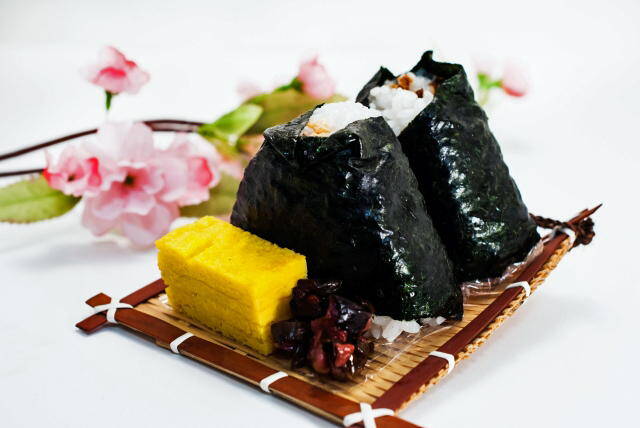
    You might have seen or heard of “rice balls” which we call “Onigiri” in Japanese.

    Actually, the shape of an Onigiri is not round like a ball at all, but triangular!

    Onigiri are easy to make and eat with one’s hands, just like sandwiches are in Western countries. Traditionally, onigiri are filled with pickled umeboshi (plum), salted salmon, or any other salty ingredient as a natural preservative.

    Because of the popularity of onigiri in Japan, most convenience stores stock their onigiri with various fillings and flavors. Nowadays, onigiri are also found in many convenience stores in Hong Kong, main
  • Harajuku, Where Modern And Traditional Meet In Tokyo

    Harajuku is a magical town that attracts the young and the old.

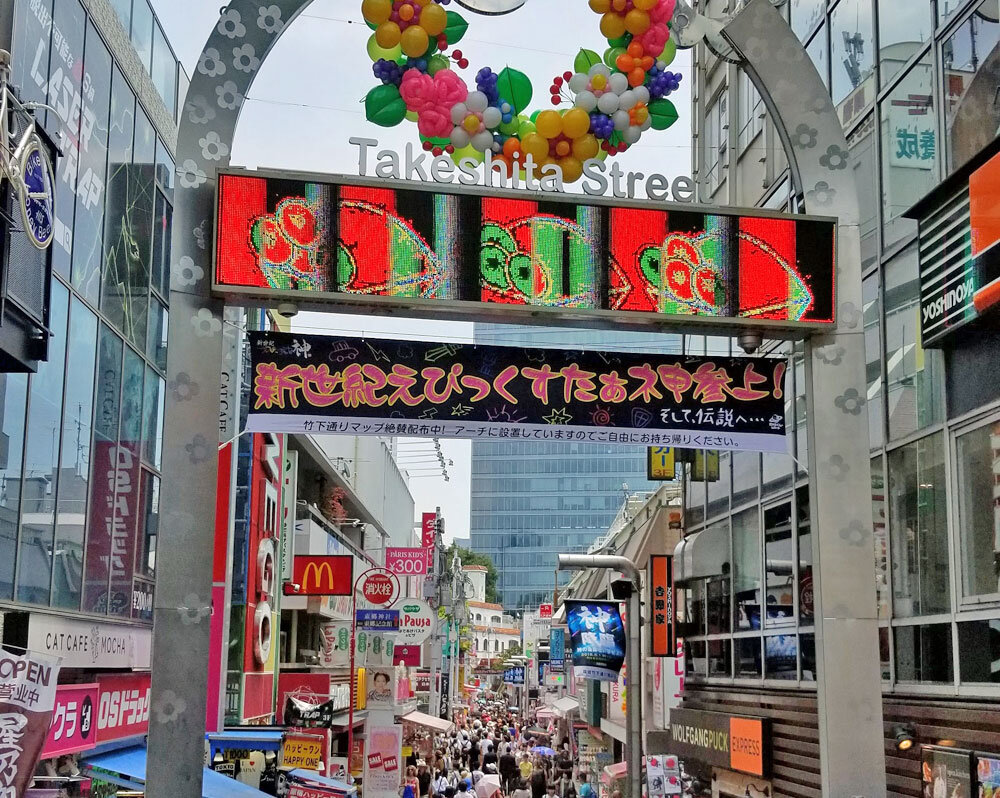
    Omotesando-Main Street As a teenage kid in the 80s, Harajuku was a mecca for me. I loved to go see young people shopping and dancing while dressed up in outrageous costumes on Takeshita-dori Street. They were called “Takenoko-zoku” and hung around with friends where there used to be many shops celebrating idol singers. I don’t know why, but we always went to eat pizza at Shakey’s, which is still in a side alley off nearby Omotesando St!

    Ttakeshitadori Takeshia-dori is now a teenage fashion street continuing to attract the younger ge

  • Geta, Japanese traditional footwear

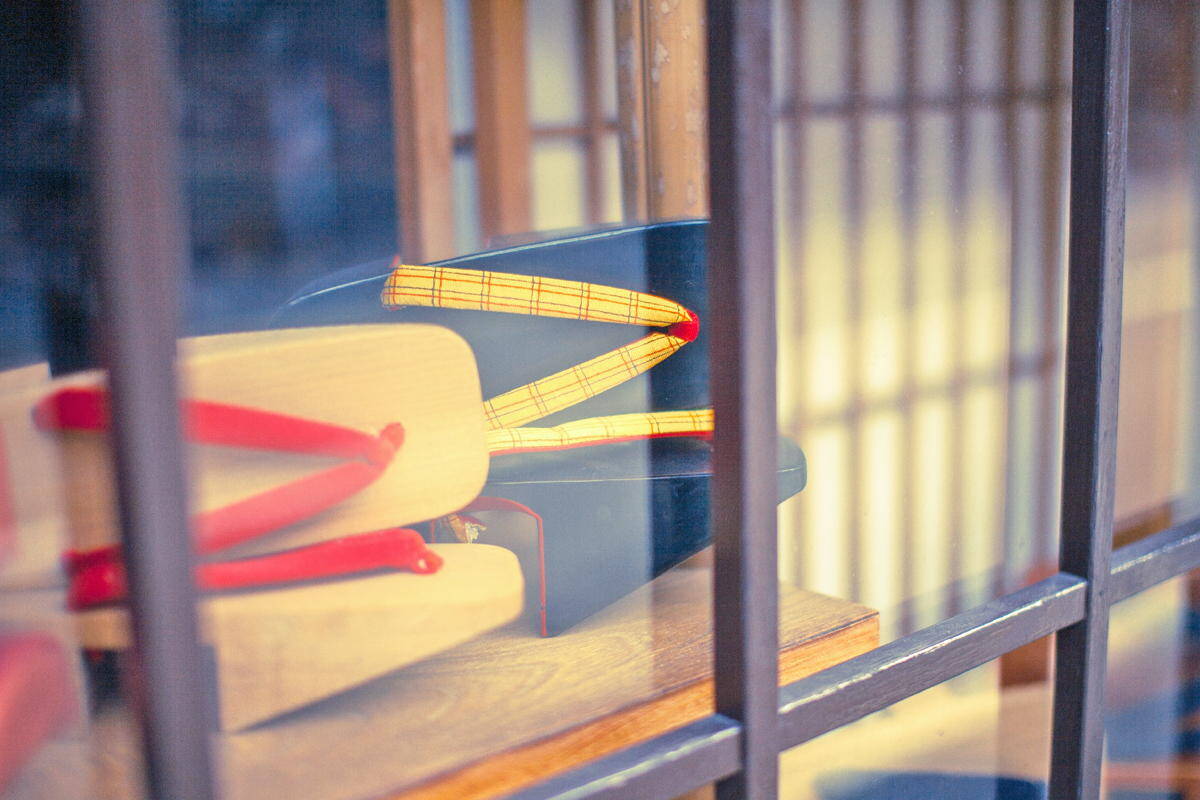
    Geta are a form of traditional Japanese footwear resembling flip-flops. They are a kind of sandal with an elevated wooden base held onto the foot with a fabric thong to keep the foot well above the ground. They are worn with traditional Japanese clothing such as kimono or yukata, but also with Western clothing during the summer months.

    Sometimes geta are worn in rain or snow to keep the feet dry, due to their extra height compared to other footwear such as zori. They make a similar noise to flip-flops, slapping against the heel while walking. When worn on water or dirt, flip-flops may flip dirt

  • Making Mochi, A Traditional Rice Cake That Brings Good Luck

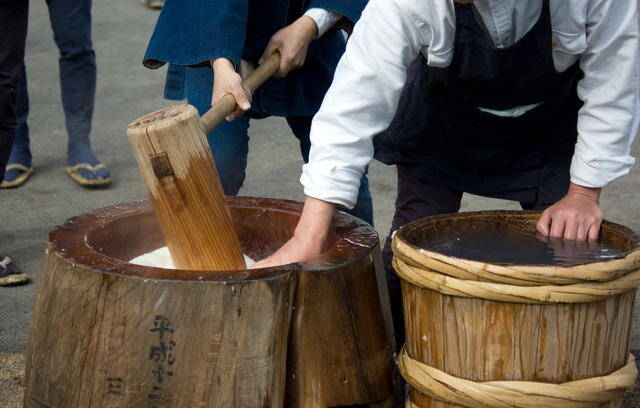
    Mochi is a traditional food of the Japanese New Year and is commonly sold and eaten during that time. To prepare, polished glutinous rice is soaked overnight and cooked. The cooked rice is pounded with wooden mallets (kine) in a traditional mortar (usu). Two people alternate the work, one pounding and the other turning and wetting the Mochi. They must keep a steady rhythm or they may accidentally injure one another with the heavy kine. The sticky mass is then formed into various shapes (usually a sphere or cube).

    Mochi can also be prepared from a flour of sweet rice (mochi ko). The flour is mix

  • Kimono, How to Wear Traditional Japanese Clothing

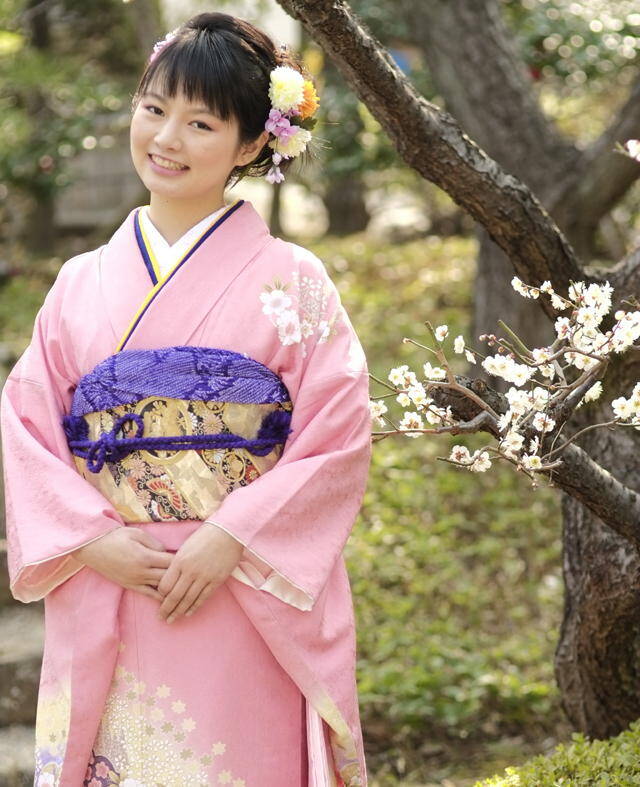
    A Kimono is a Japanese traditional garment.

    The word “Kimono” literally means a “thing to wear.”

    Traditionally, unmarried women wore a style of kimono called furisode, with almost floor-length sleeves, on special occasions.

    Today, kimono are most often worn by women, and usually only on special occasions. A few older women and even fewer men still wear kimono on a daily basis. Men wear the kimono most often at weddings, tea ceremonies, and other very special or very formal occasions. Professional sumo wrestlers are often seen in the kimono because they are required to wear traditional Japanese dr

  • Kobe, Japan’s Cosmopolitan Port City

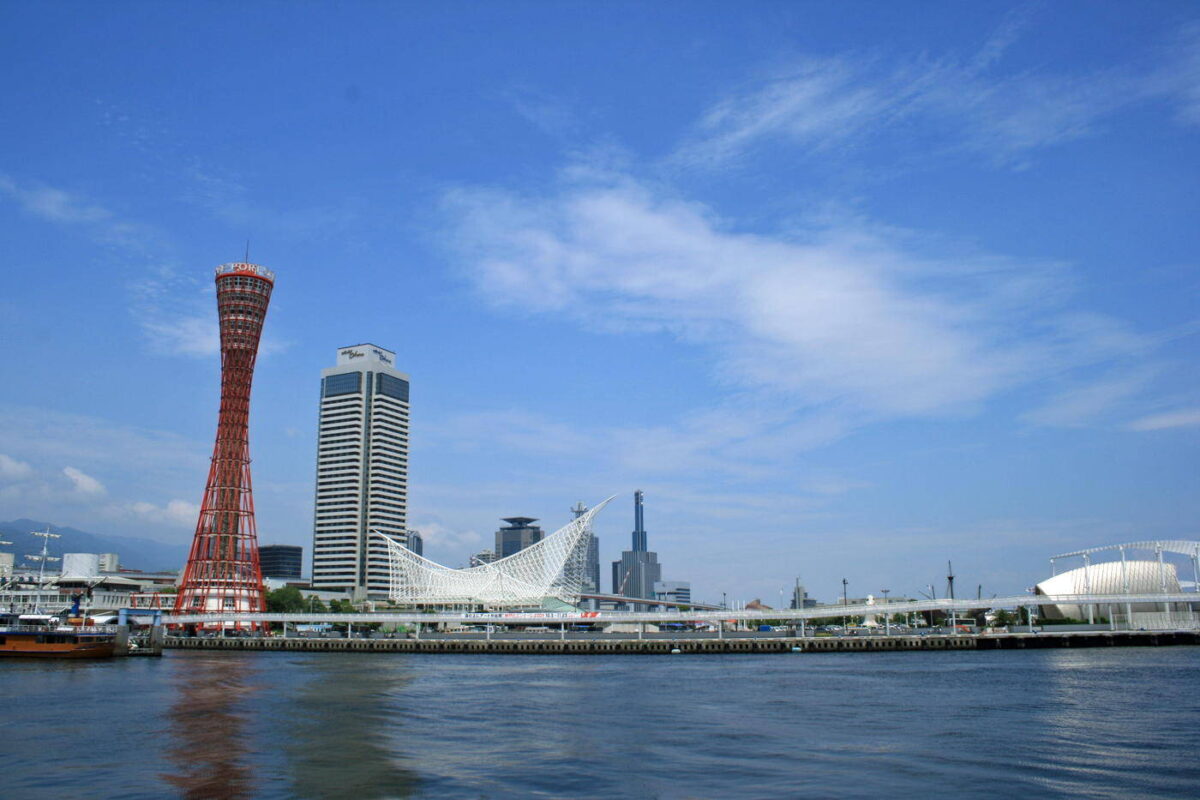
    Ever wanted to try Kobe beef? Or experience a multicultural Japanese city? Then Kobe is the city for you!

    Kobe is the sixth largest city in Japan and is the capital city of Hyogo Prefecture, approximately 30 km (19 mi) west of Osaka.

    The earliest written records regarding the region come from the Nihon Shoki, an ancient Japanese historical text, which describes the founding of the Ikuta Shrine by legendary Empress Jingu in AD 201.

    For most of its history the area was never a single political entity, not even during the Tokugawa Period, when the port was controlled directly by the Tokugawa Shoguna

  • Shukubo – Experience Staying Overnight At A Peaceful Buddhist Temple

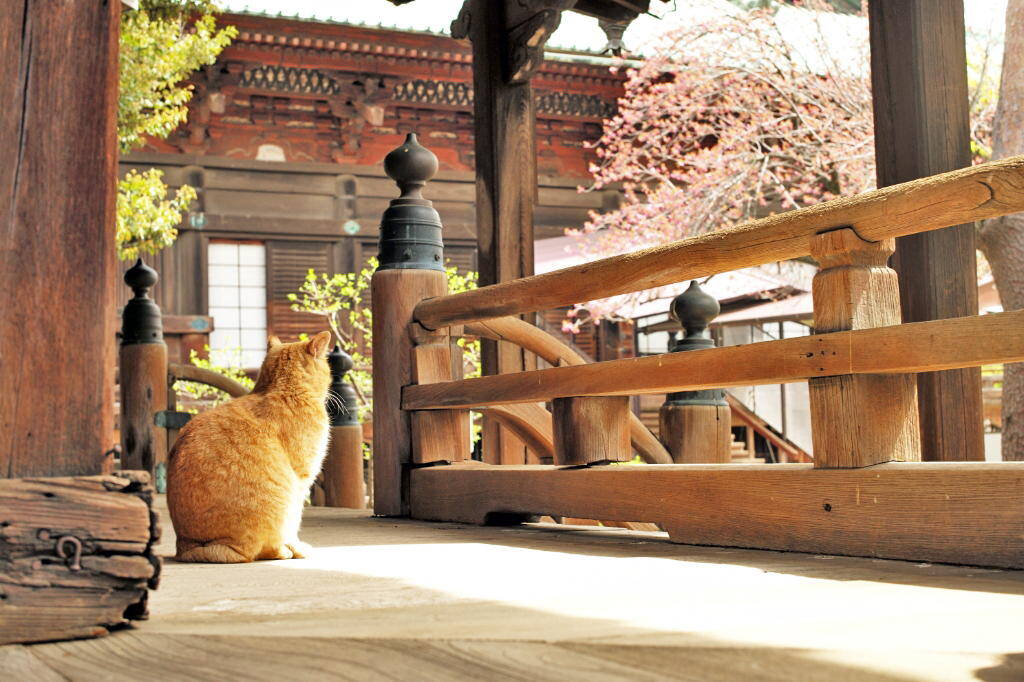
    Staying at a Buddhist temple has recently become very popular.

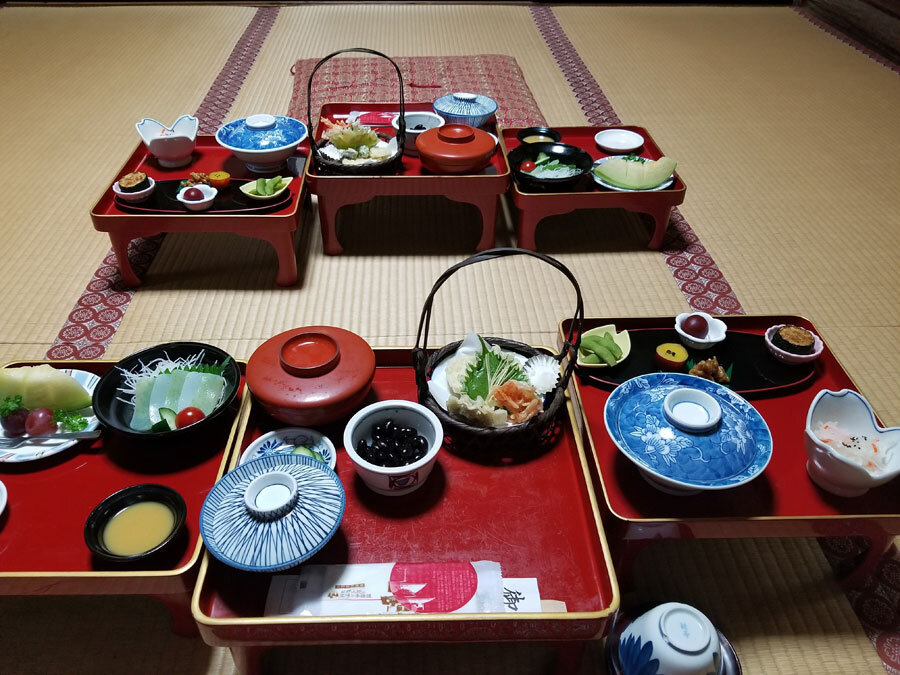
    Called “Shukubo” in Japanese, temple-stays involve sleeping in traditional Japanese lodging similar to ryokan, dining on seasonal vegetarian cuisine, and waking up with the sunrise for peaceful meditation.

    Relaxing, minimalist, and even luxurious in some cases, shukubo stays are the perfect way to cleanse the soul and enjoy Japanese culture in one go.

    A shukubo is a lodging house for pilgrims visiting Japanese Buddhist temples. Originally, they were only for Buddhist monks. During the Heian period (794-1185), however, visiting temples

  • Antique Markets in Tokyo

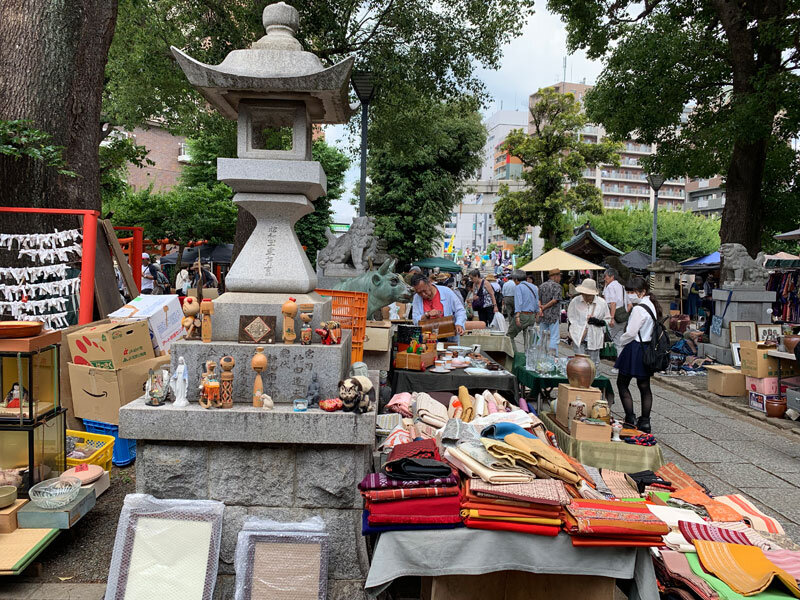
    About 20 years ago, I remember feeling amazed while visiting a fancy home decorated with a photo collection featuring antique Kimono and Obi (a sash worn with a kimono or the uniforms used by practitioners of Japanese martial arts).

    The home was owned by a designer who used an antique colorful Obi to decorate the center of a table — she was using another Obi as curtains.

    I was amazed at such wonderful ideas which I had never thought of before!

    However, people have been using old Kimono and Obi for decades to create new items.

    I have a friend who makes charming dresses, bags, purses, and many other

  • Wabi-sabi, The Japanese Philosophy Of Transience

    What is Wabi-Sabi? The words Wabi and Sabi do not translate easily.

    Yet, the phrase “wabi-sabi,” often translated as “beauty in impermanence and imperfection,” describes an important world view in Japan.

    Wabi meant “to become weak and weary” a long long time ago. This meaning came from the word wabu. Wabishi, the adjective, meant to be lonely and without comfort. In those days, the physical and mental pain of the people was widespread and constant. Every day, people felt lonely and comfortless and could do little to help by themselves.

    Then, during the Kamakura (1185-1333) and Muromachi (1336-157

  • Shinkansen, Japan’s Sleek And Efficient Bullet Trains

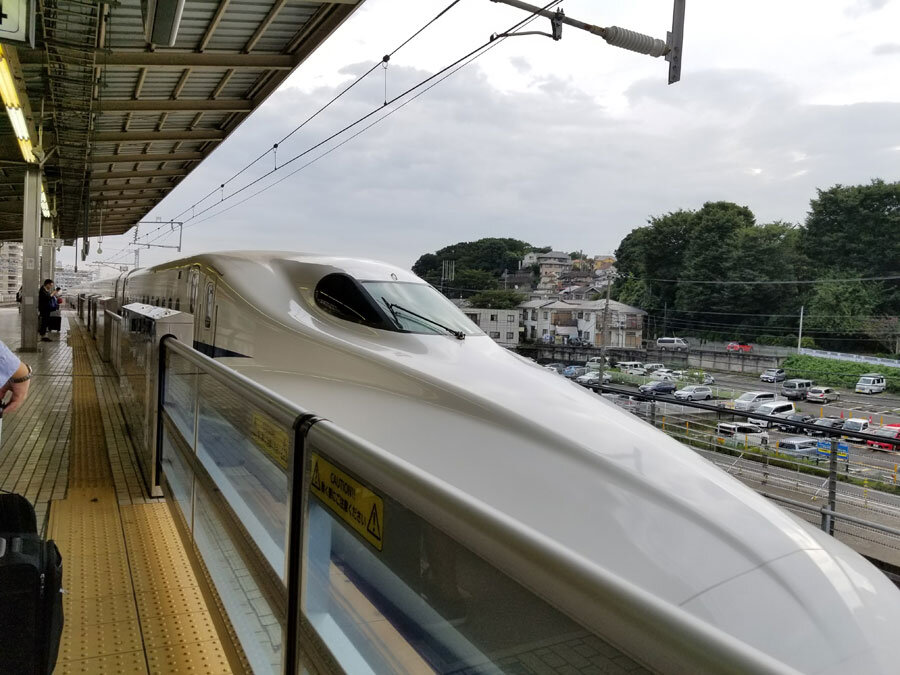
    Shinkansen are the best way to travel around Japan.

    Efficient, luxurious, and spacious, each seat includes modern comforts like cup holders, folding seatback trays, and power outlets. Food and drink is available for purchase. Luggage stowing and restrooms are included on each train. There are even smoking sections!

    The best part about the experience is the convenience. Shinkansen depart stations regularly, sometimes by the minute. There are no security checks or long lines to wait in like at the airport. All you have to do to board a Shinkansen is buy your ticket.

    Tokaido Shinkansen

    Bullet trains,

  • Onsen and Japan’s ancient culture of bathing

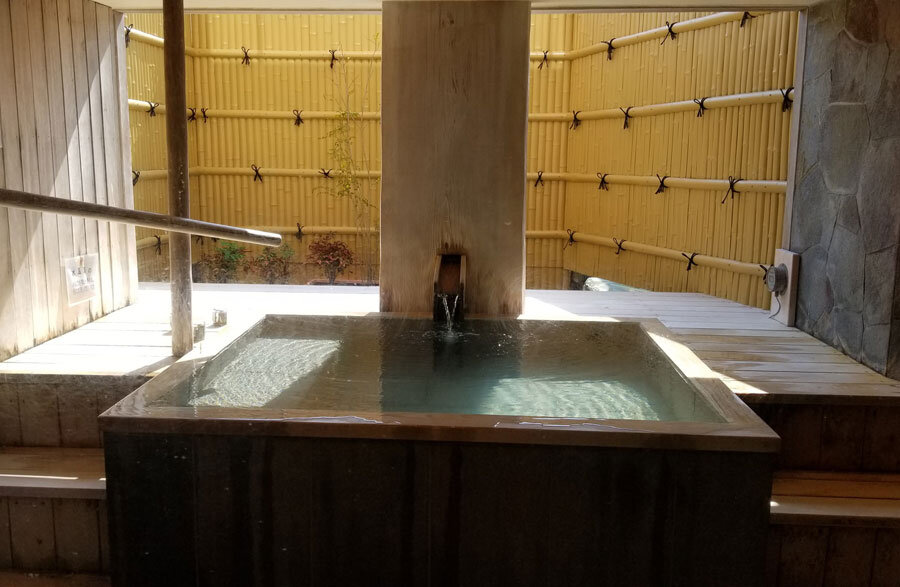
    I have heard that Onsen (“hot springs” in English) can be found by drilling any place in Japan. Japan, a country with many volcanoes, has over 2,000 hot springs.

    The Japanese are well-known for their enjoyment of Onsen bathing and frequently take short trips to hot springs for days at a time.

    Hot spring water has a temperature of 25 degrees Centigrade (77 degrees Fahrenheit) or higher and contains various minerals and natural gases.

    Hot spring bathing is an effective treatment for many chronic diseases such as rheumatism, gout, neuralgia, and hypertension.

    For this reason, hot springs have been ut

  • Spring In Japan

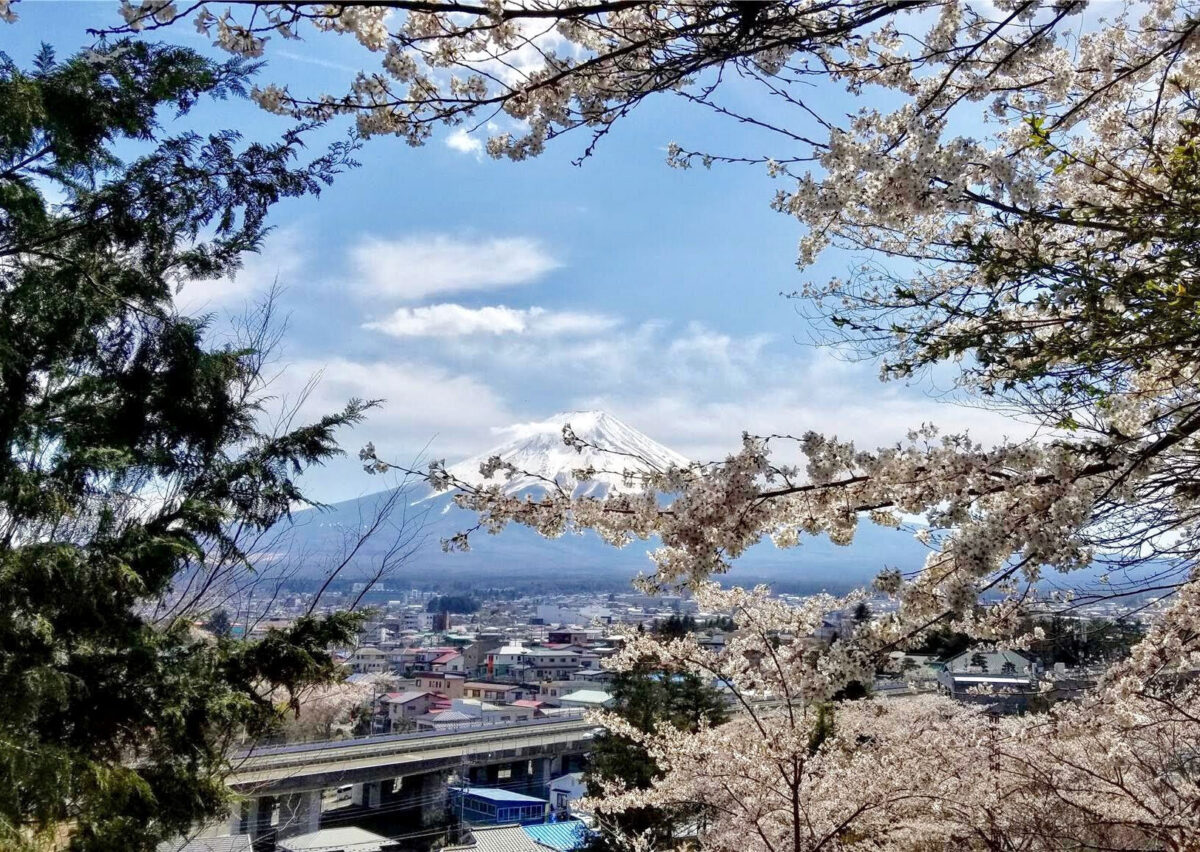
    Spring is my favorite season in Japan. Flowers of many hues and shapes are beautiful, colorful and plentiful.

    The most famous of these flowers in this season is the cherry blossom, the national flower of Japan.

    One of my favorite places to visit is Chidorigafuchi, which is located between West side of the Imperial Palace and the British Embassy. There are over 260 cherry trees along the 700m (2297 ft) pass which forms a tunnel of cherry blossoms.

    Shinjuku Gyoen is another wonderful place to visit at this time of year. There are over 1300 cherry trees there. You can enjoy different kinds of cherry