Insights

Experiences, History,
Culture, People, Various Insights

  • Love Bonsai? Visit a Bonsai Village Built for Tree Lovers

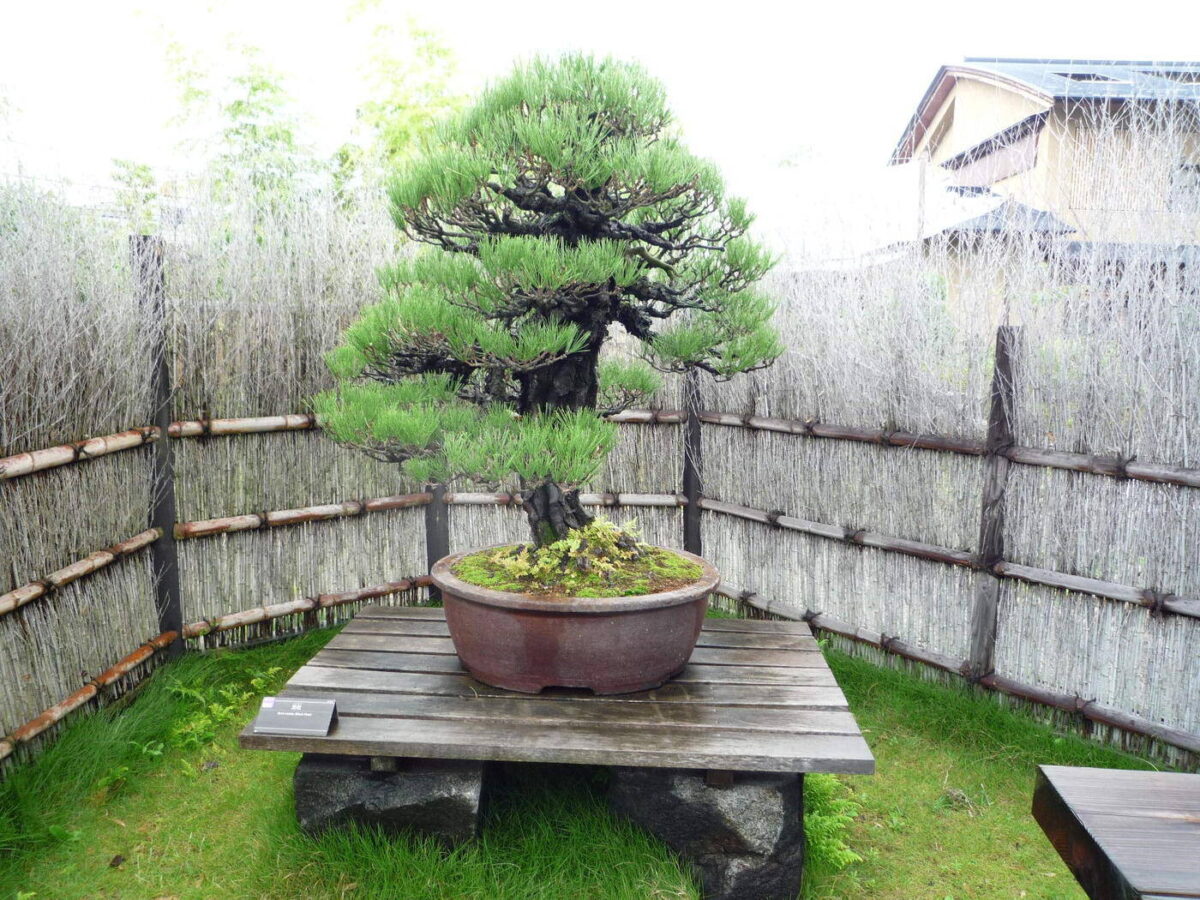
    My father has been doing Bonsai for over 30 years. He started pottery just after taking up Bonsai to make pots for his plants. Since retirement, he spends time in his garden almost all day long to look after his plants.

    About 20 years ago I was with my family in a souvenir shop in Venice, Italy. A shop owner came to me and asked about “Akadama.” I had no idea about Akadama. I asked my father if he knew about and he said “Oh, wow!” as he was amazed to hear this word in Venice. He then explained to me Akadama is the soil for Bonsai and other potted plants.

    The shop owner enthusiastically asked my
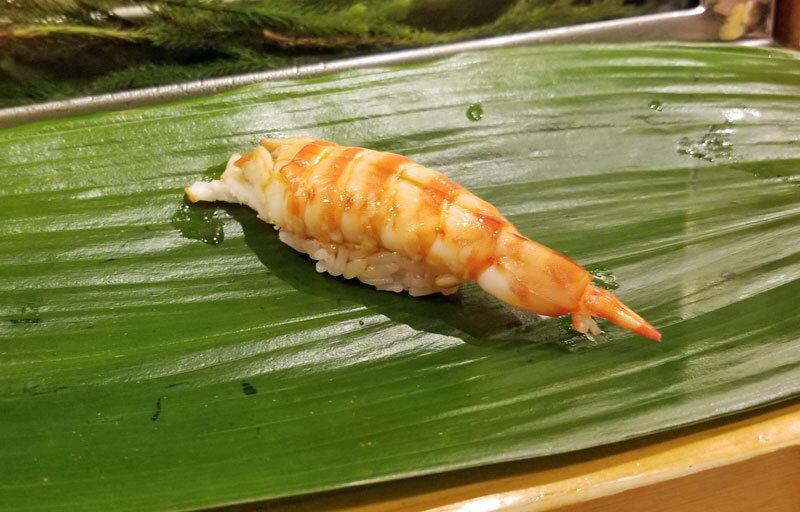
  • All About Sushi – Nigiri, Maki-zushi, and Inari-zushi

    Sushi is a Japanese food consisting of cooked rice with vinegar (su-meshi) combined with other ingredients (neta).

    Usually this is seafood — such as eel, tuna, shad, haddock, shrimp or octopus — but vegetables, eggs, and even foods like beef and horsemeat can top rice to make sushi.

    Ingredients and sushi presentation vary widely, but the ingredient which all sushi have in common is rice (also referred to as shari).

    Nigiri-zushi is prepared using two main ingredients, fresh fish and sushi rice (su-meshi). The su-meshi is formed into a small clump using the hands. The fish is then sliced and presse

  • Kakigori, Refreshing Shaved Ice For Hot Summer Days

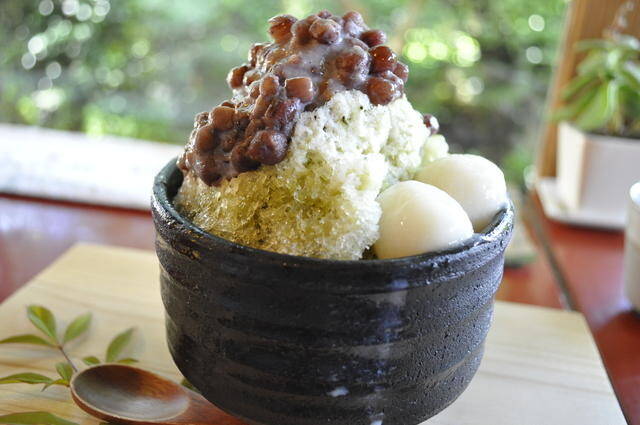
    Kakigori is a Japanese summer sweet made of shaved ice served with various syrups, and sometimes including assorted toppings. The sweet already existed as far back as the 11th century.

    The traditional way of making Kakigori uses a hand cranked machine to spin a block of ice over a shaving blade. Even though electric ice shavers are most often used today, some street vendors can still be seen hand-shaving ice blocks in the summer.

    When I was a child about 40 years ago, Japanese families privately owned this simple “Kakigori” machine to enjoy at home. However, since then I hadn’t had Kakigori for

  • The Many Ways To Enjoy Tokyo’s Imperial Palace

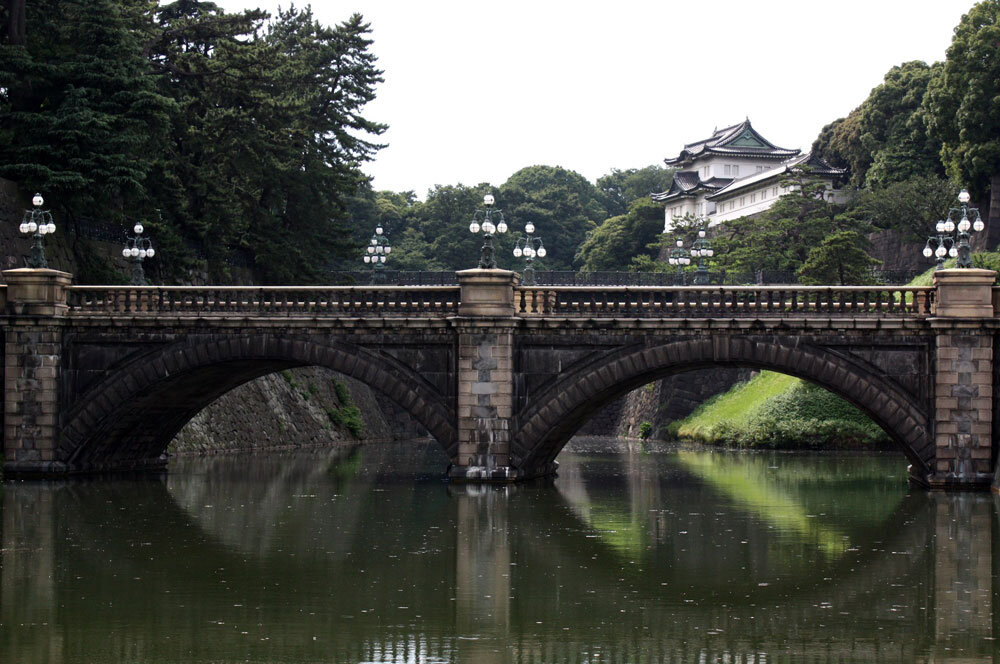
    “Kokyo” means “Imperial Palace” in Japanese, so we call a jog around the palace “Kokyo-running.”

    Kokyo is a nice place to leisurely stroll around, but it also attracts a wide range of joggers. I have jogged around Kokyo many times.

    1.It is just 5 km (3.1 mi) around, with no vehicles or with no traffic lights at all, so it is safe as well as easy to know how long you are jogging.

    2. There are 3 police boxes around the route and police officers patrolling, so it is quite safe to jog at night.

    3. The scenery around the Palace is beautiful and you can enjoy flowers and trees every season.

    There are too

  • Arita Porcelain, One Of Japan’s Most Coveted Art Forms

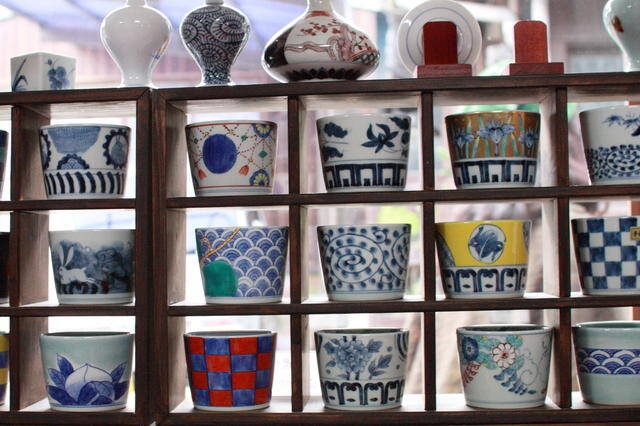
    Arita is internationally known as a town of porcelain, specifically Arita porcelain, located in the southern part of Saga prefecture in Kyushu.

    A potter from Korea named Re Sampei discovered a fine-quality white porcelain mineral in Mt. Arita-Izumi 400 years ago. His discovery was brought to the townspeople and together they produced porcelain for the first time in Japan.

    Every year, Arita holds a town wide ceramics fair for one week from the end of April to the beginning of May. Stores throughout the town sell ceramics during the fair and more than 850,000 people visit the small town. Products

  • Airports In Japan: The 4 You Need to Know

    Japan is an archipelago of 6,852 islands. The four largest — Honshu, Hokkaido, Kyushu, and Shikoku — account for 97% of the country’s land area.

    To ensure the nation is well-connected both within and with the outside world, Japan has 110 airports and 22 heliports.

    Of these, 4 are major international airports.

    Narita International Airport (NRT) and Tokyo (Haneda) International Airport (HND) are the two major airports in the Tokyo region.

    Kansai International Airport (KIX) and Osaka (Itami) International Airport (ITM), the other two important airports, serve the Kansai region of Japan, which include

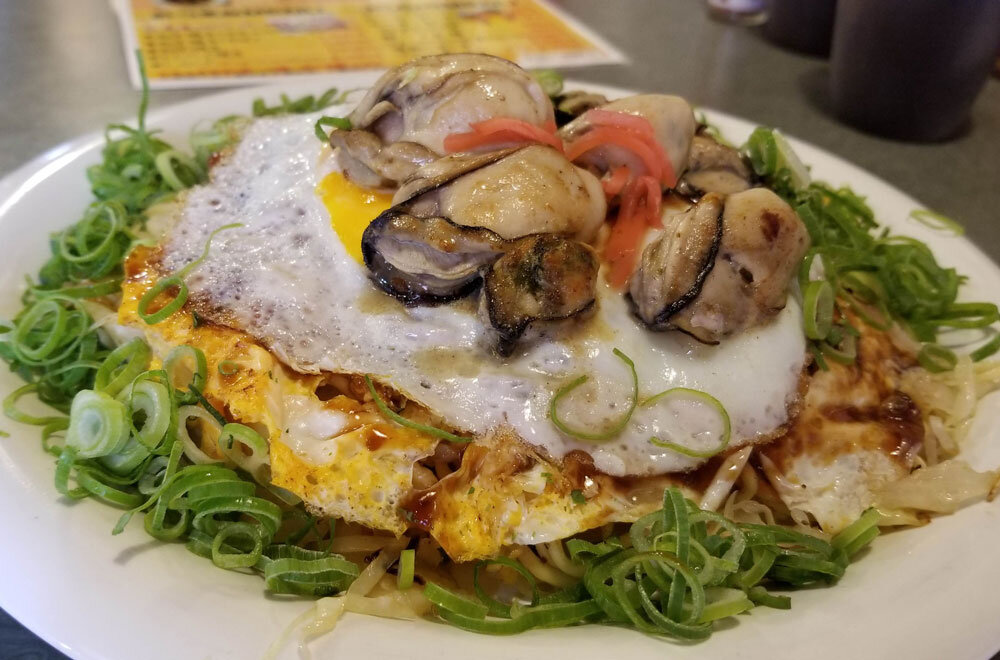
  • Hiroshima, One of Japan’s Most Resilient and Culinary Cities

    Hiroshima is located in the Chugoku region of western Honshu, the largest island of Japan. It is best known as the first city in history to be targeted by a nuclear weapon — an atomic bomb was dropped on the city at 8:15 a.m. on August 6, 1945, near the end of World War II.

    Yet, there is so much more to this bayside, cosmopolitan city than that.

    The area around Hiroshima was formerly divided into Bingo Province and Aki Province. This location has been a center of trade and culture since the beginning of Japan’s recorded history. Hiroshima is a traditional center of the Chugoku region.

    Hiroshima i

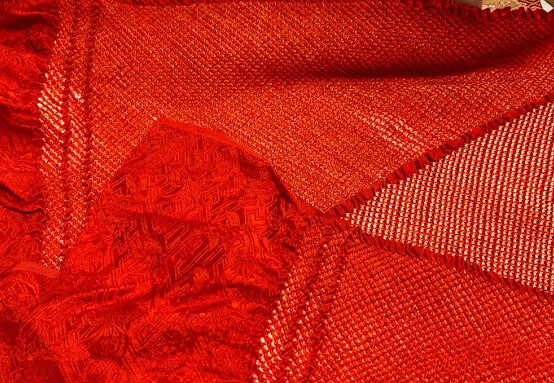
  • Shibori, an ancient and stylish dyeing technique

    In Japan, the earliest known example of cloth dyed using the shibori technique dates to the 8th century. It remains among the goods donated by Emperor Shomu to Todai-ji Temple in Nara. Since ancient times, tie-dyed kimono have been highly praised among women, and a variety of items were made with tie-dye techniques. Today, a wide range of works, such as fabrics for Western-style dresses, folding screens, and framed pictures are created by using this tradition.

    Japanese Shibori has an infinite number of ways, stitch, hold, twist, or compress cloth for shibori, and each way results in very differ

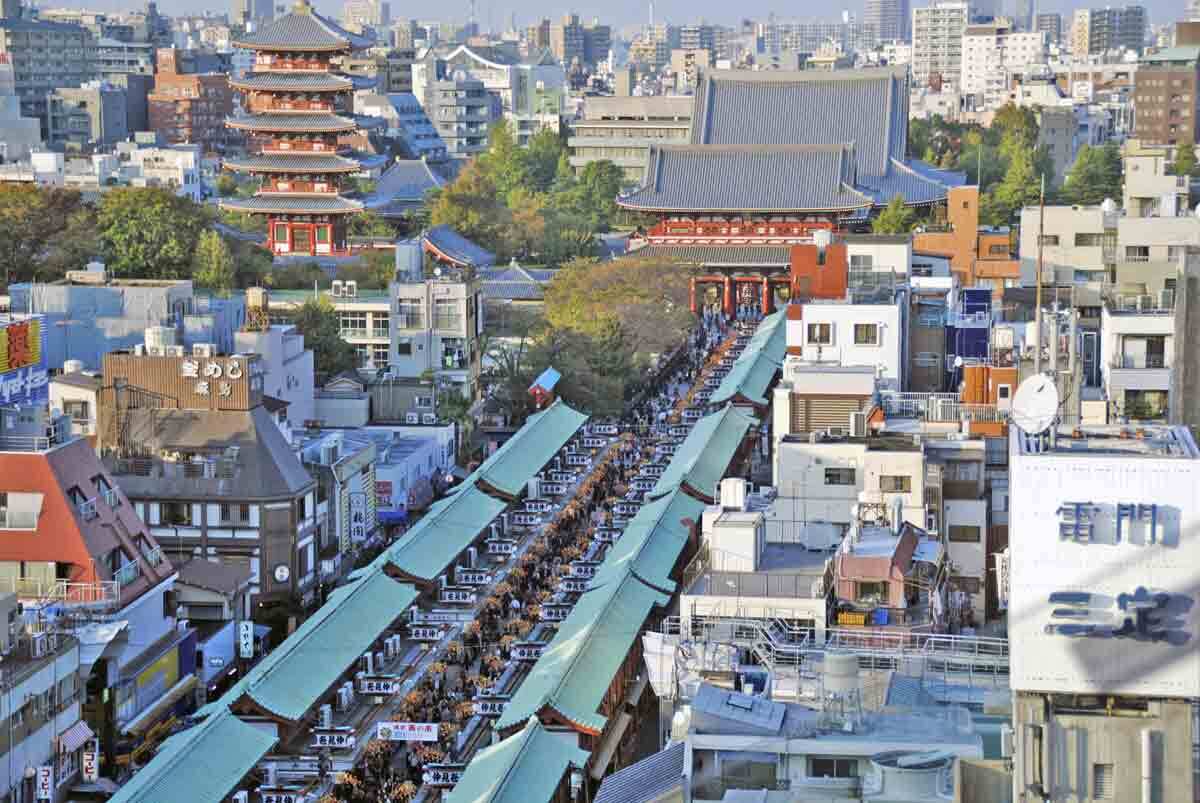
  • A Stroll Through The Shops Of Senso-ji Temple In Tokyo’s Asakusa

    Let’s start this tour by exploring the captivating Senso-ji Temple, where traditions are still preserved and live on in urban Tokyo!

    First, walk from Kaminarimon Gate along the Nakamise Main Street toward Kannon Hall, which is the main hall of Senso-ji. There 89 shops lining the 250 meter (820 ft) length of Nakamise Street.

    In the Edo period (1603-1868), due to the increased numbers of worshipers visiting Senso-ji, local residents who were ordered to clean the grounds of the temple received the special privilege of opening shops within the temple grounds or along its approach. These shops eventu

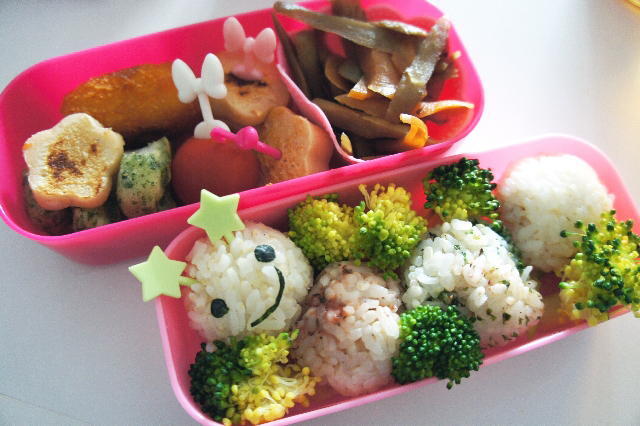
  • Bento, Japan’s Cute And Tasty Boxed Lunches

    A traditional bento holds rice, fish or meat, with pickled or cooked vegetables, usually in a box-shaped container. Containers range from disposable mass produced plastic to hand crafted lacquerware.

    Bento are readily available in many places throughout Japan, including convenience stores, bento shops, railway stations, and department stores. However, Japanese homemakers often spend time and energy crafting a carefully prepared lunch box for their spouse or children.

    Bento in Japan can date back to the Heian period (794-1185). An onigiri (rice ball) called tonjiki was eaten at that time. Later,

  • Religion In Japan: Buddhism and Shinto

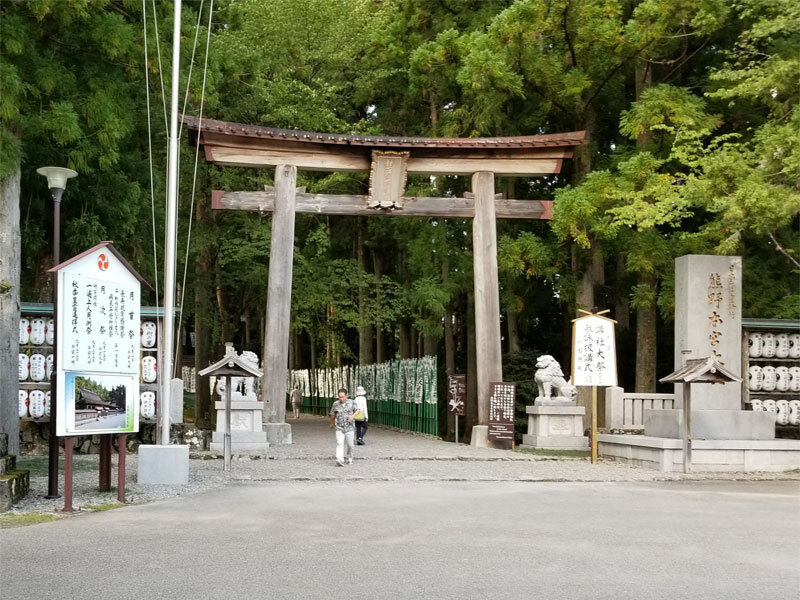
    You may find the Japanese custom of going to a Shinto shrine to celebrate a birth and being taken to a Buddhist temple after death strange. After all, how is it possible to follow two religions at once?

    Today, I want to talk about religion in Japan. Knowing about Japanese religious practices can help you to understand the Japanese mentality.

    Omiya-mairi, introducing a new baby to God.

    Shinto is connected to people’s lives in Japan. The place of worship for Shinto is the shrine.

    We pray for luck and success in business, school, marriage, and life in general at shrines. Also, traditional wedding cer

  • Japanese Tea—More Than Just Green

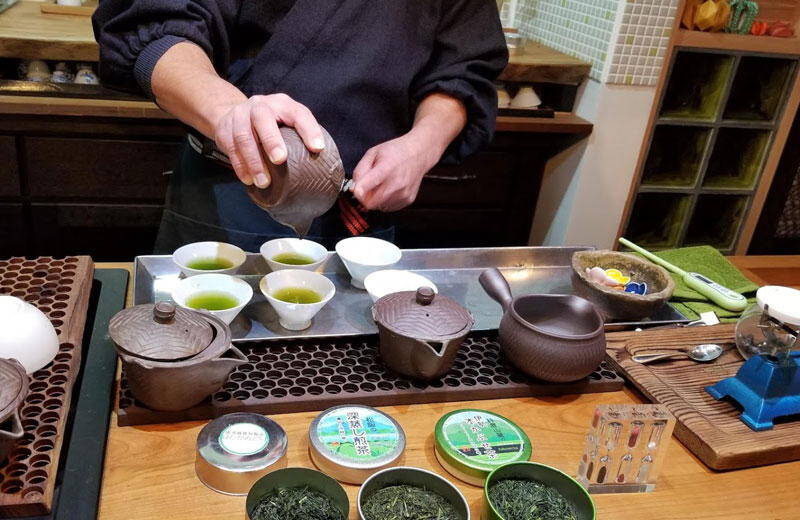
    In my parent’s house in a suburb of Tokyo, there are a couple of the tea trees. Trimmings of the tea leaves are picked two to four times a year in Japan — today we picked tea leaves and made green tea by ourselves this morning. How we enjoyed the rich flavor!

    Tea tree

    The most popular Japanese tea is called sencha which refers to Japanese ryokucha and is made into the green tea beverage by infusing the processed whole tea leaves in hot water.

    Ryokucha

    Among the types of Japanese green tea prepared by infusion, “sencha” is distinguished from such specific types as gyokuro and bancha. It is the most