Insights

Experiences, History,
Culture, People, Various Insights

  • Luxury Travel Japan’s new B2B Japan travel specialist services

    How is everyone doing? It’s been almost three months since the last newsletter. Covid and in particular the Omicron strain, rampant all over the world a few months back, are now also on the decline in Japan. In addition, Japan’s booster vaccination drive is well underway, with more than 30% of residents having received this third dose so far. Unfortunately, tourists are still not being admitted into the country, but I and many others expect this restriction will not last much longer.

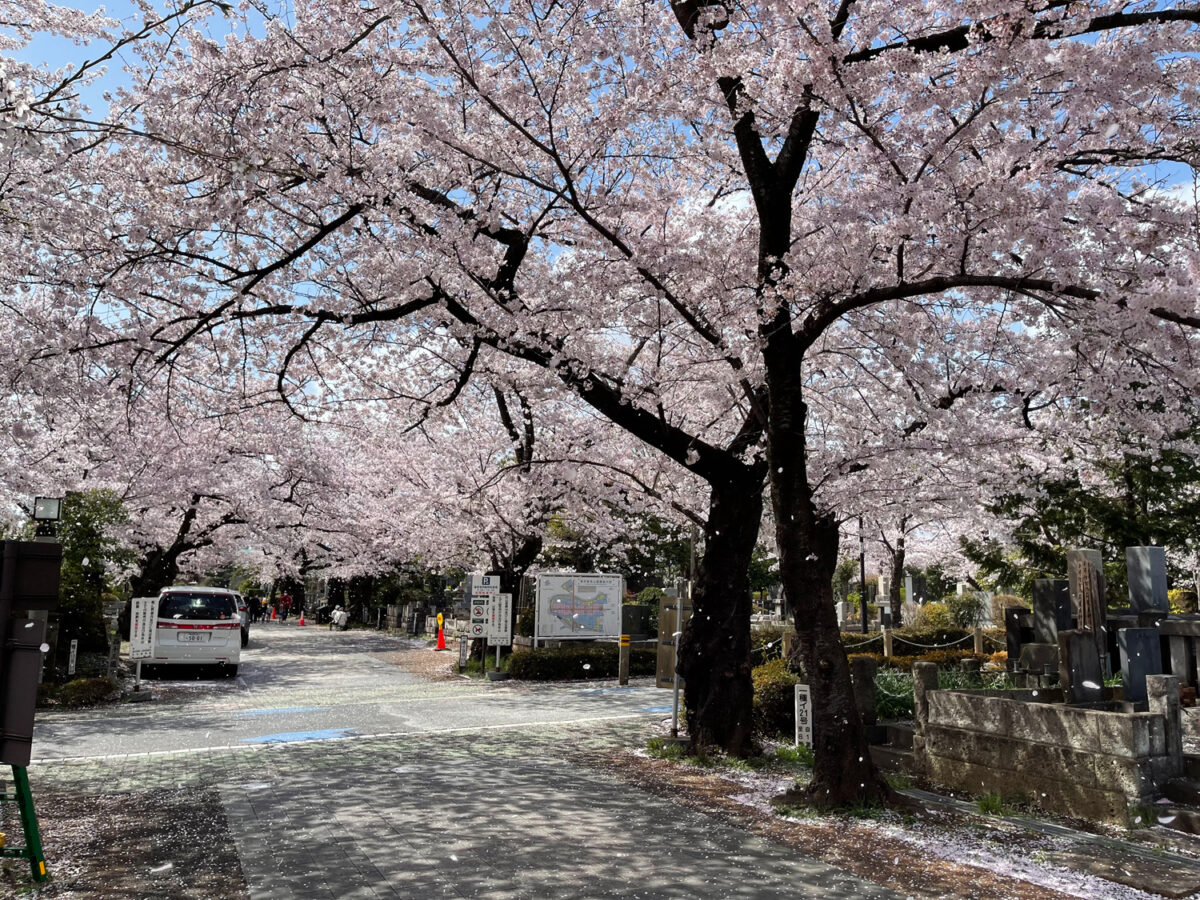
    Japan is in full swing this spring, gloriously rising from the winter cold, impervious to past Covid-related glo
  • A Happy New Year! What is Hatsumode?

    It was customary to spend New Year’s holidays at home long ago. However, the railway companies devised “Hatsumode” to worship at major temples, such as Kawasakidaishi in Kawasaki and Naritasan in Narita, as a campaign in 1899 to increase the number of customers.

    Nowadays, it’s almost like a traditional practice.

    Now, it is the third year since COVID 19. At this point, the 6th wave of Omicron strains has begun to rage. Although boosters have started in some countries already, boosters are scheduled to commence after spring in Japan, so the number of infected people would inevitably increase until

  • Ogasawara Islands: a 6-day odyssey:

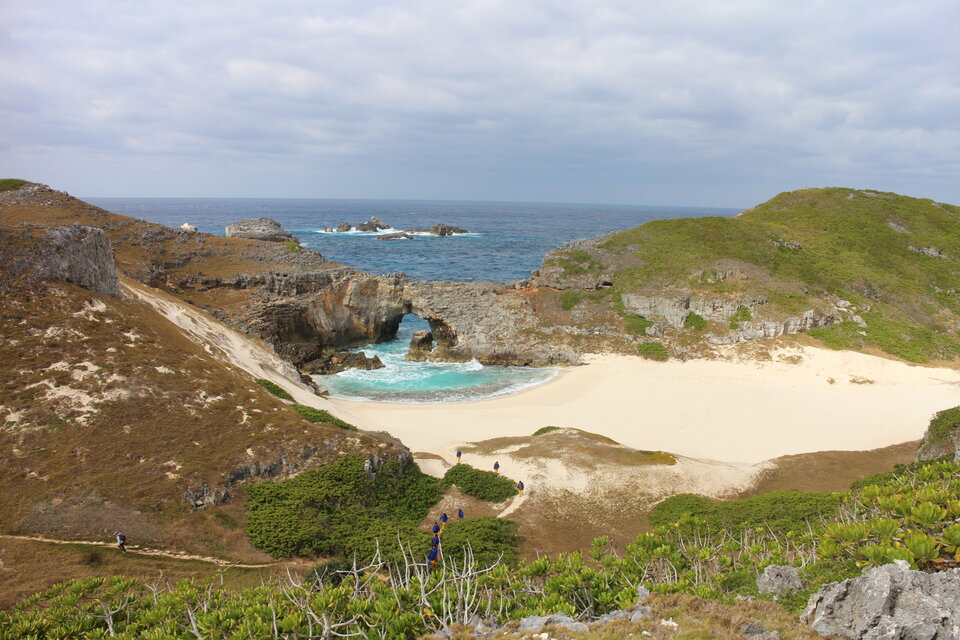
    A trip to The Galapagos of the Orient, a southern island adrift in the Pacific Ocean. Twenty four hours by boat and 1000km away from Tokyo, you will behold the Ogasawara Islands.

    Did you know that non-mainland Tokyo prefecture is roughly divided into the 11 islands of Izu Oshima, Toshima, Niijima, Shikinejima, Kozushima, Miyakejima, Mikurajima, Hachijojima, Aogashima, and the “father and mother” Ogasawara Islands? In today’s installment, I would like to tell you about the charms of the Chichijima (father) and Hahajima (mother) Ogasawara Islands, beautiful distant islands that are far from Tokyo

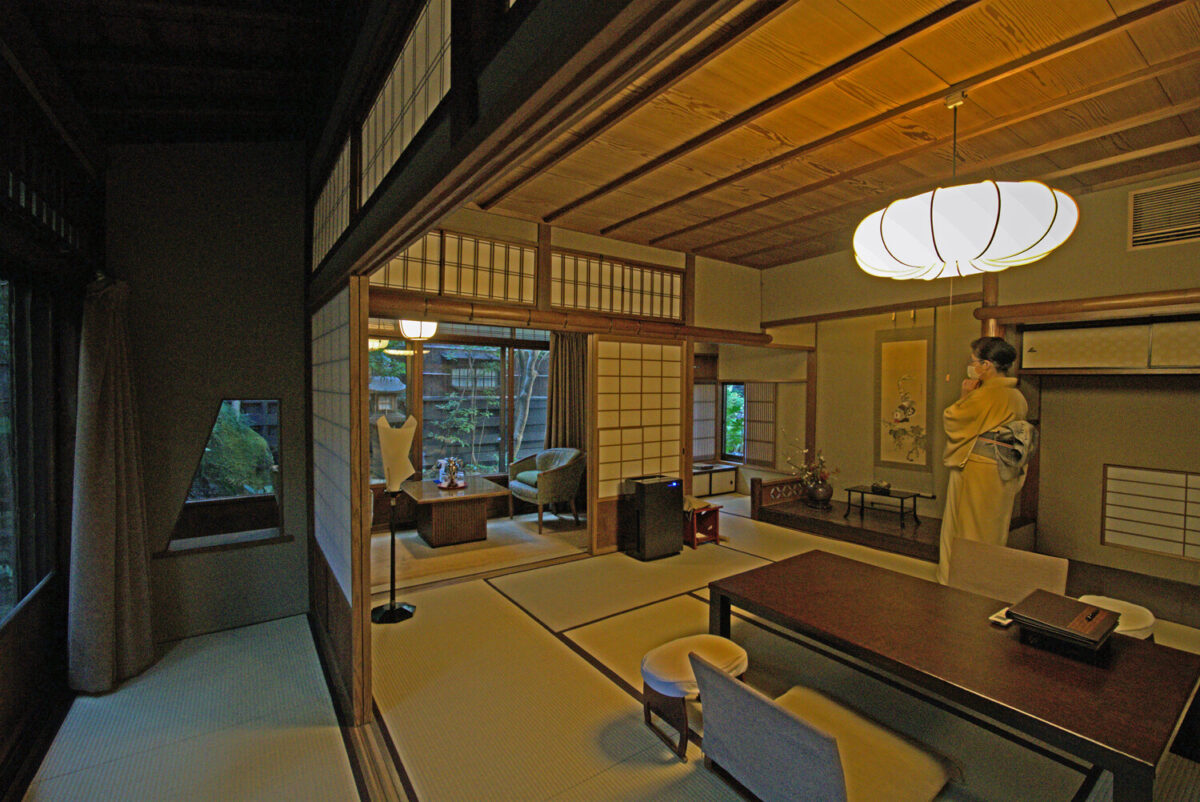
  • Yasunari Kawabata’s beloved Hiiragiya Ryokan in Kyoto

    Today’s newsletter is about Yasunari Kawabata, the first Japanese winner of the Nobel Prize for Literature, and Hiiragiya, a long-established ryokan (traditional inn) in Kyoto. Allow me to tell you a bit about Hiiragiya.

    When I visited Kyoto during a less turbulent Corona time last year, I had the Hiiragiya proprietress show me around the ryokan. Hiiragiya has been around since the Edo period (1603-1868), and has reigned as one of the best luxury inns in Kyoto for 200 years. Even during Corona, they were quite busy benefiting from the “Go To Travel” domestic travel campaign launched by the Japa

  • Racing Towards a New Day

    How’s everyone doing?

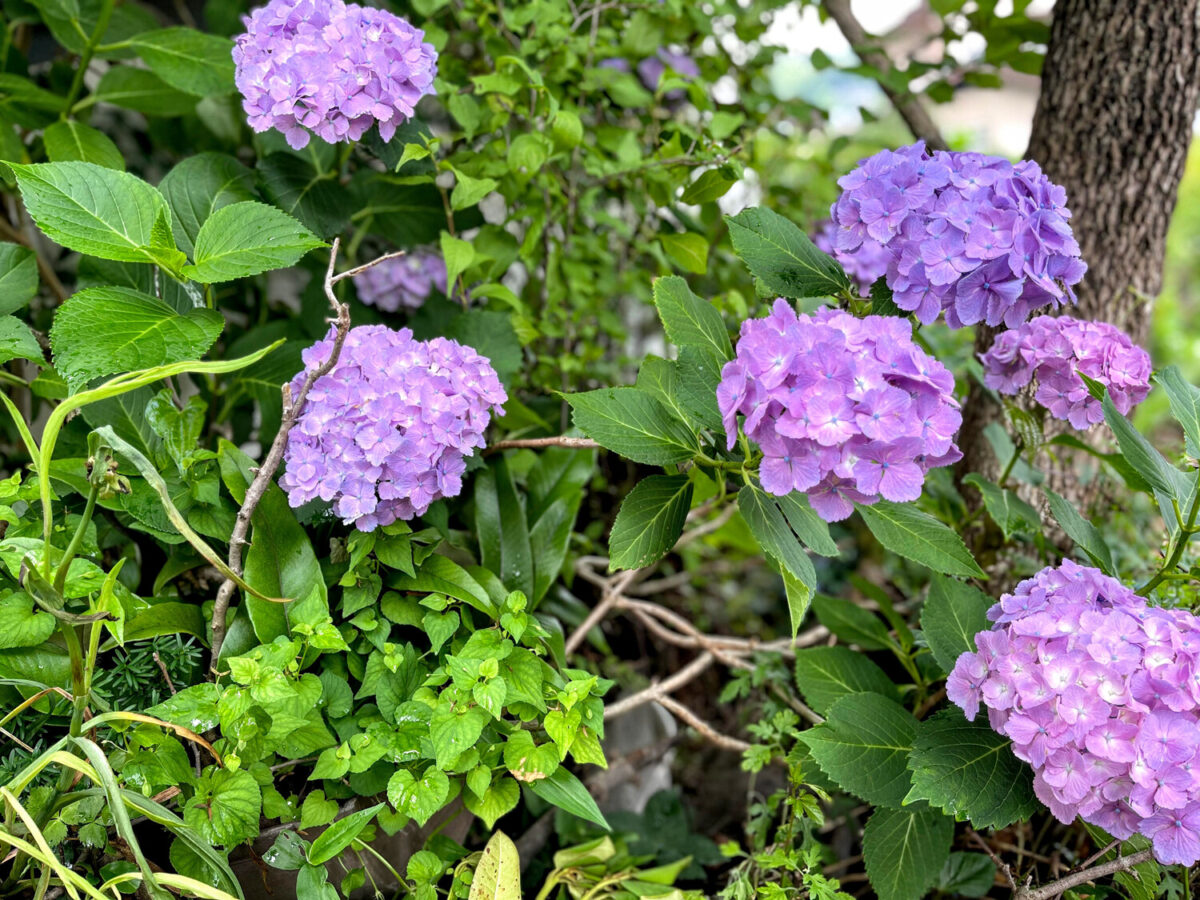
    It’s been four months since our last newsletter and June has snuck right up on us. Here in Japan, this time of year means it’s the rainy season. This is when hydrangeas gloriously take center stage. Did you know that the hydrangea is said to be an original species of Japan? There are many, many varieties of hydrangea nowadays, but all trace their roots back to the Lacecap hydrangea, which is shaped like a forehead. Take a look at the picture.

    Have you ever seen a hydrangea like this? This hydrangea was exported to Europe in the 18th century, and seems to have taken the cont

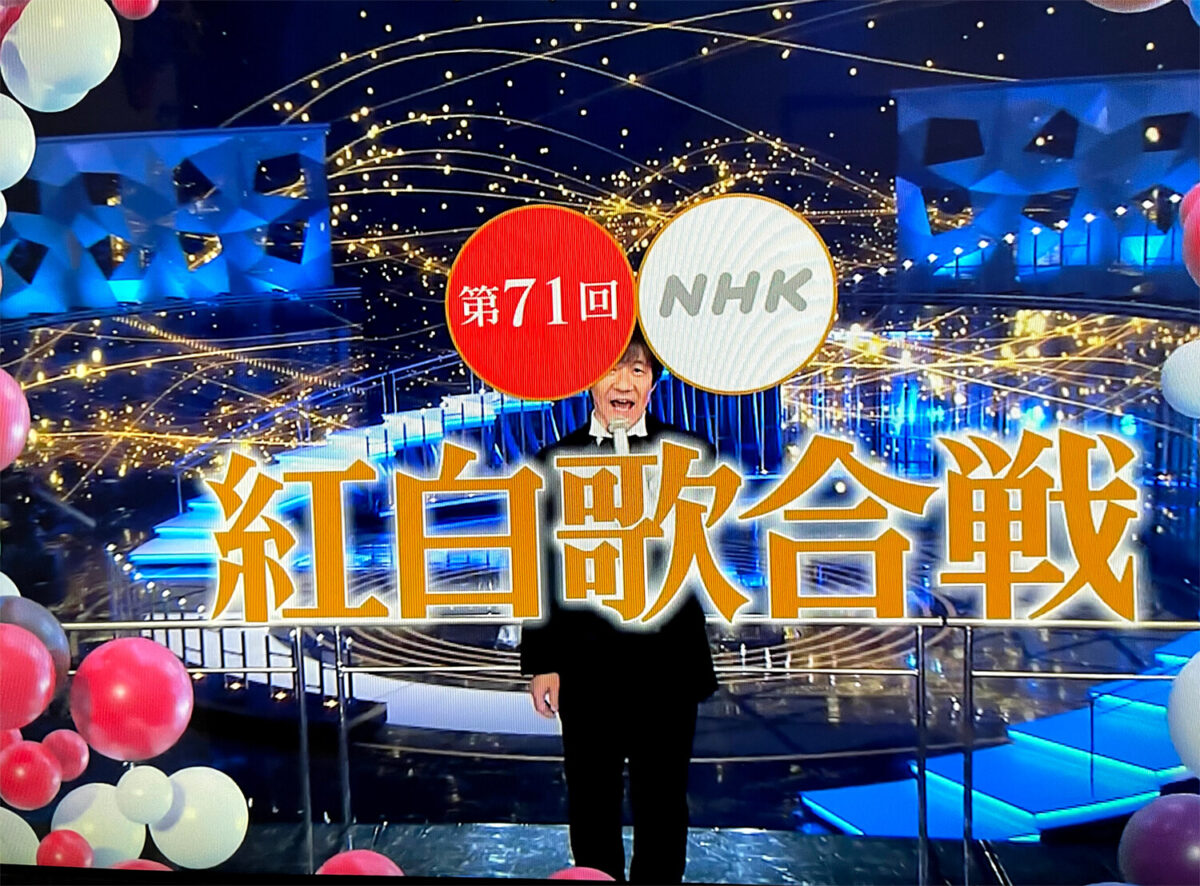
  • Happy New Year 2021! Japan’s “Red and White” Song Contest: A Grand New Year’s Eve Tradition

    In today’s newsletter, I’m excited to share with you traditional Japanese New Year’s customs. Many of the widely held traditions celebrated today started in the Edo period (1603-1868), including the act of starting extensive preparations for the New Year in December. Taken together with traditions born throughout the Showa era (1926-1989), I’ve found thirteen key New Year traditions. It wasn’t until the Showa era that a number of these gained tractions with the general population. Some of these relate to specific foods to be enjoyed during New Year celebrations or about what sort of decoration

  • The Many Flows of Sake

    How is everyone doing? Hard to believe the year will be over in two months! I have been happy to see some glimmers of new light with a COVID-19 vaccine becoming more probable and good news related to the Tokyo Olympics. I’m eager to hear even more good news soon!

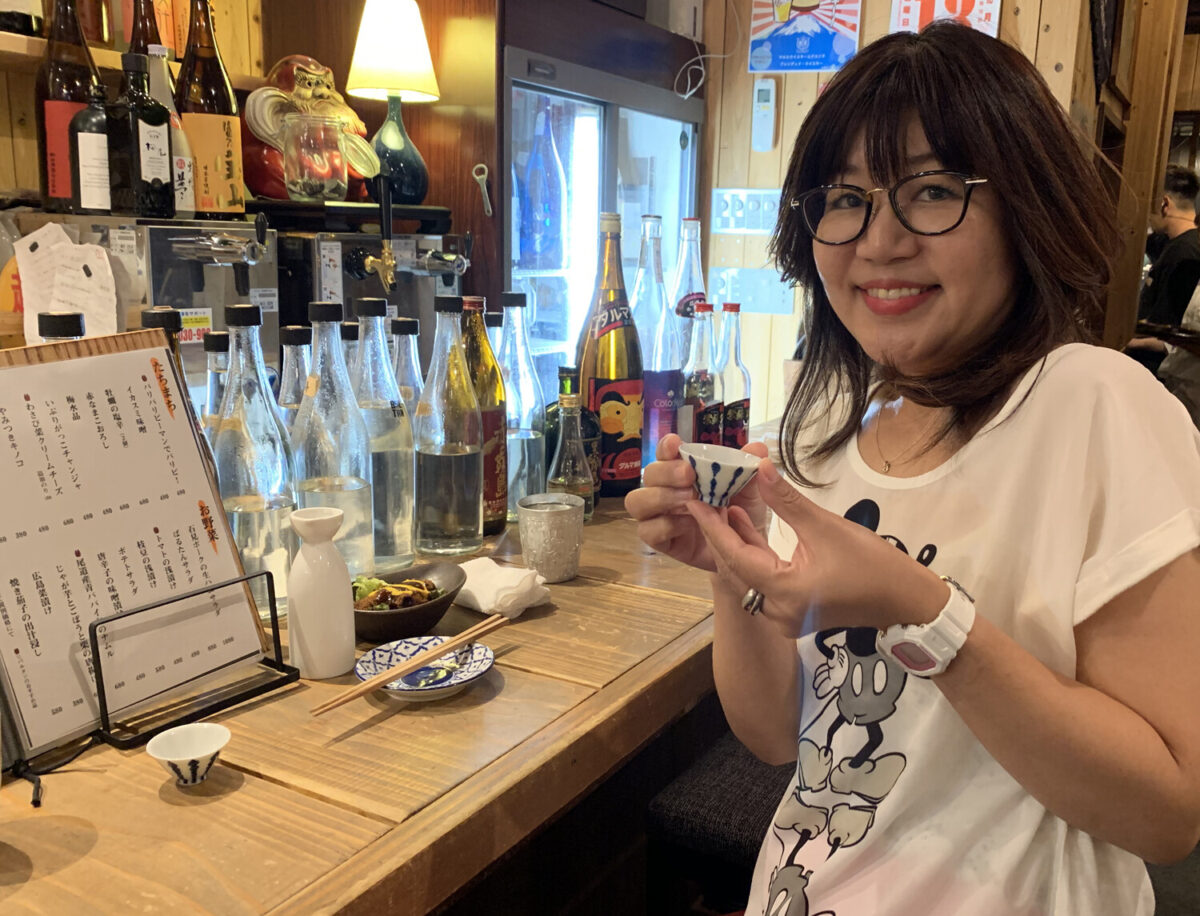
    Today I would like to talk about sake, which is Japanese rice wine. Do you like sake? As soon as Japanese food was registered as a UNESCO Intangible Cultural Heritage in 2013, interest in sake increased, and now there are many fans of sake all over the world. Sake is made in ten countries in various regions around the world. The United

  • Happy Thoughts and a Kyushu Spiritual “Power Spot” Tour

    Hi everyone, it’s already October! How are you doing?

    Entry into Japan is still largely restricted, but the domestic market is enjoying an upturn.

    Currently, 115 countries and regions have restricted movements imposed on Japanese travelers. With regards to those coming into Japan, including Japanese to Japan, the latest information on the website of the Ministry of Health, Labor and Welfare is as follows. At the moment, only Japanese citizens, holders of work visas, and permanent residents of Japan may enter Japan.

    Website of Ministry of Health, Labour, and Welfare

    In summary,

    ■ Travelers should se

  • Ernest Fenollosa and Japanese Art

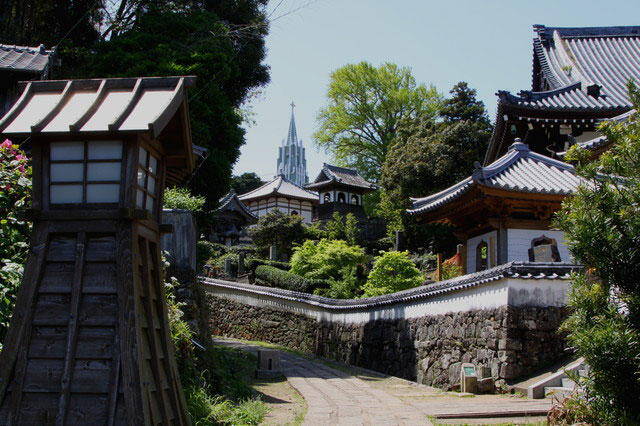
    One of the many surprises for visitors to Japan is the large number of temples and shrines. There are more than 77,000 Buddhist temples in this small island country of Japan. The number of Shinto shrines is more than 80,000.

    Some people may not be able to tell the difference between a shrine and a temple, but in Japan, a shrine is always Shinto. Shinto is a religion endemic to Japan dating back to ancient times. Buddhism was born in India in the 5th century BC and was introduced to Japan in the 6th century by way of China. After that, temples were built on the existing premises of shrines, and

  • Unaju, Traditional Japanese Food

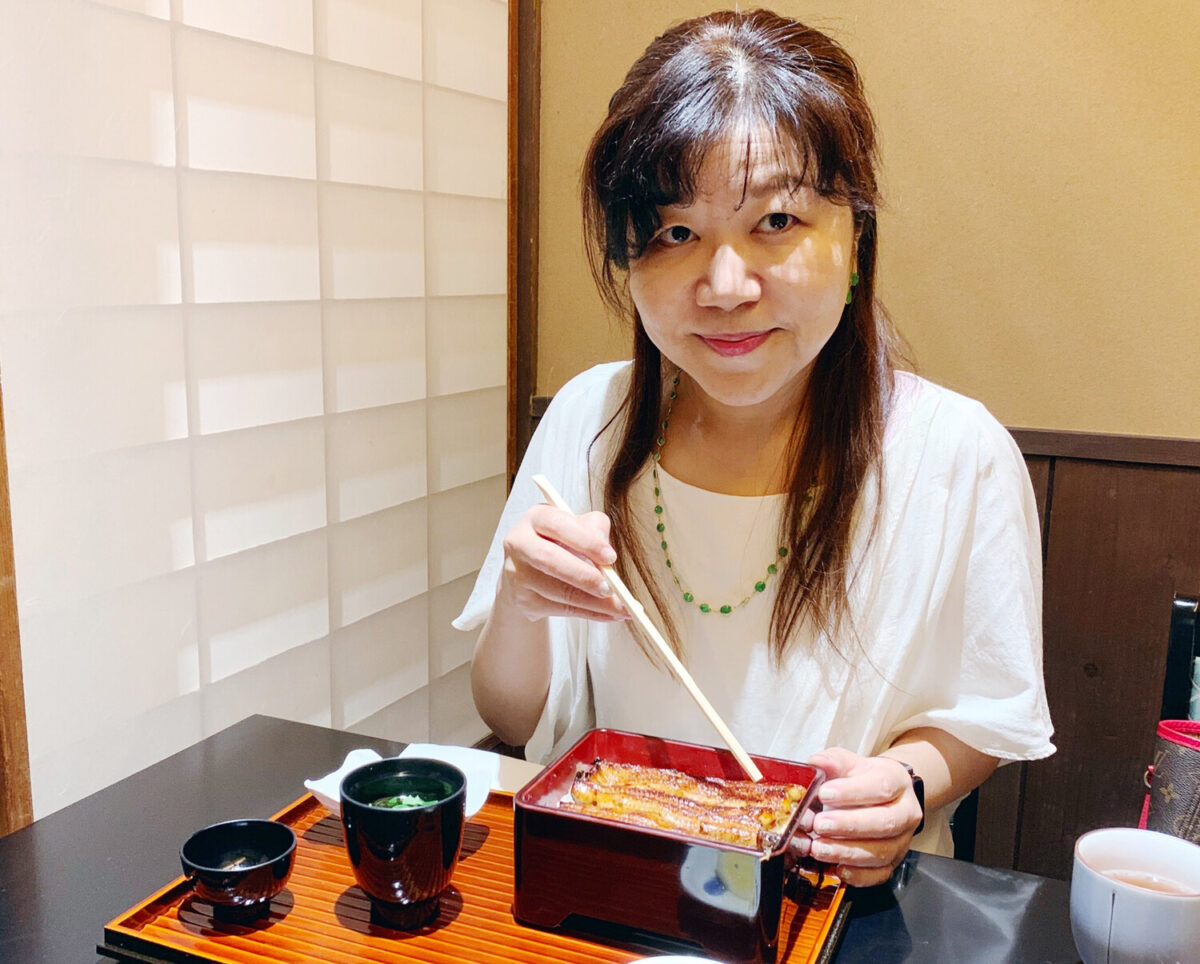
    Feeling healthy and energetic? Japan has had a long rainy season and the successive hot summer has arrived. Summers in Japan mean high temperatures and substantial helpings of humidity, and the resulting stress on our bodies can cause us to get sick. This is commonly referred to as “natsubate,” which sort of rolls up heat exhaustion and illness into a tidy demonic package.

    One of the best, traditional ways to fend off the natsubate maladies happens to be a tasty one too: The consumption of unagi, that famous Japanese eel.. Unagi is naturally healthy, with high nutritional value, including many

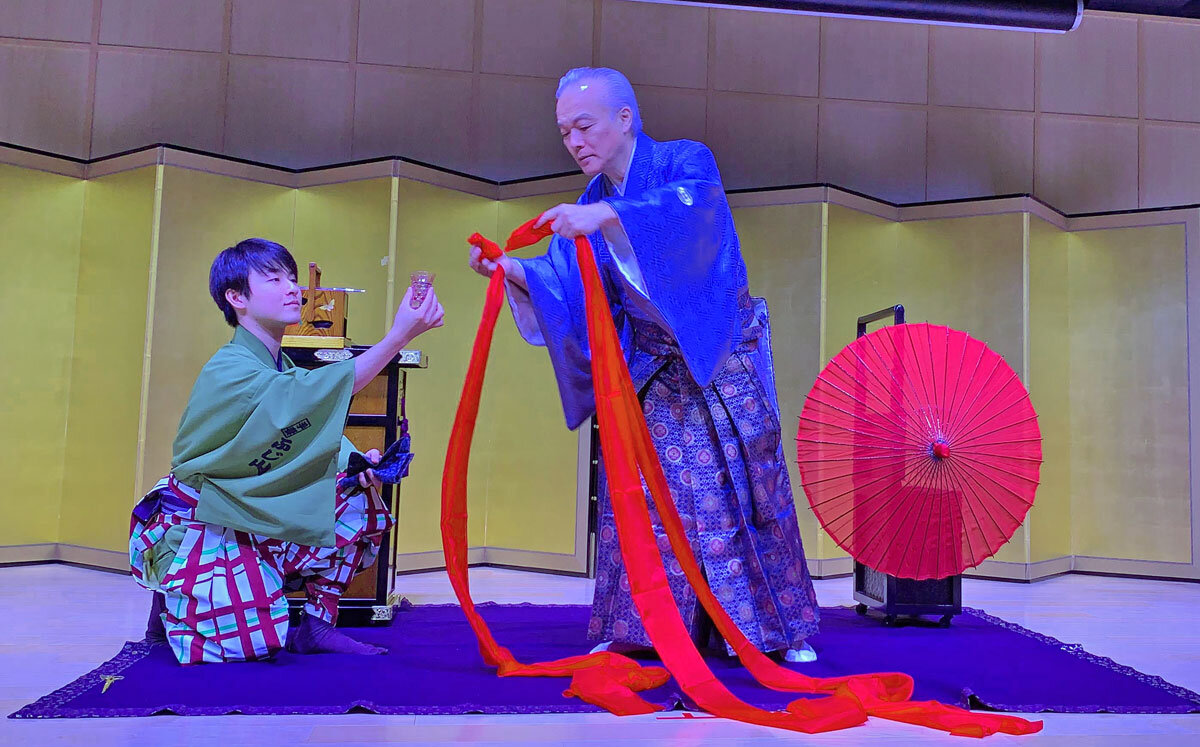
  • Tezuma, Traditional Japanese Magic

    How is everyone doing? Outside of Hokkaido, every day here in Japan is damp during the rainy season, and many are wondering when it will end. For me, one great thing about this time of year is seeing the pretty hydrangeas. Hydrangea are an ancient Japanese flower that blooms on temple grounds, parks, home gardens, roadsides, mountains – just about everywhere! They bring joy to our hearts. I wonder what kind of flowers are blooming in your country?

    With the coronavirus looking not immediately to yield to happiness through travel, it seems that group trip bookings are still a bit distant on the h

  • Mt. Fuji, a Spiritual Landmark and a Source of Artistic Creativity

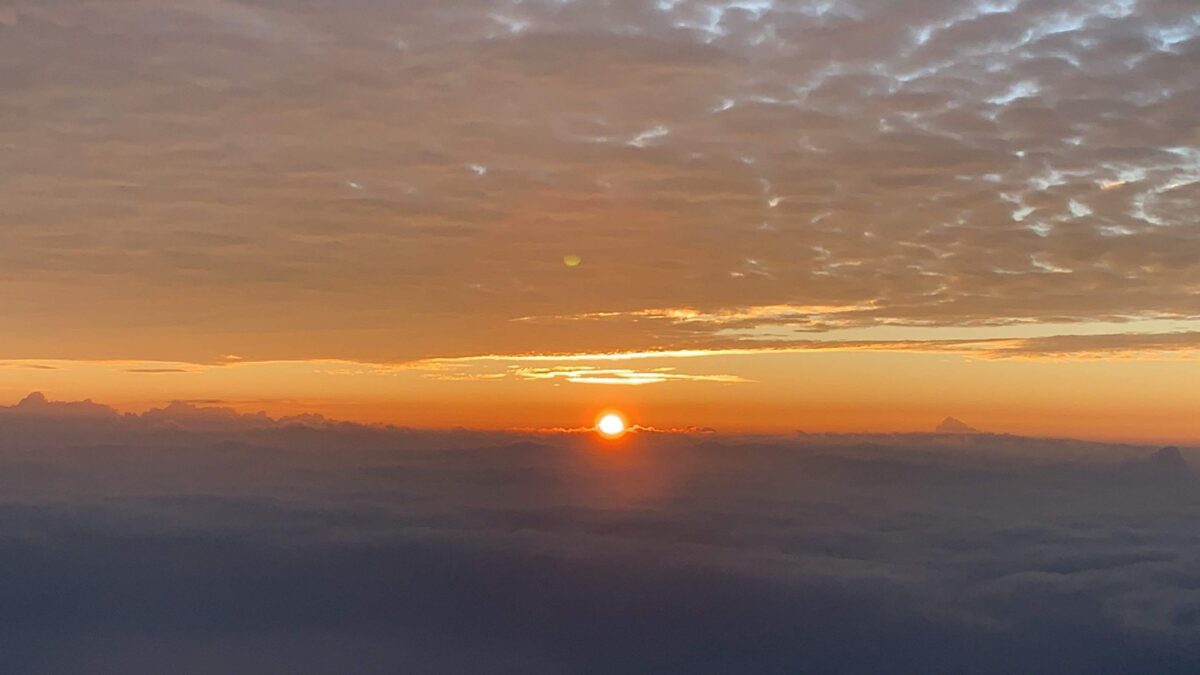
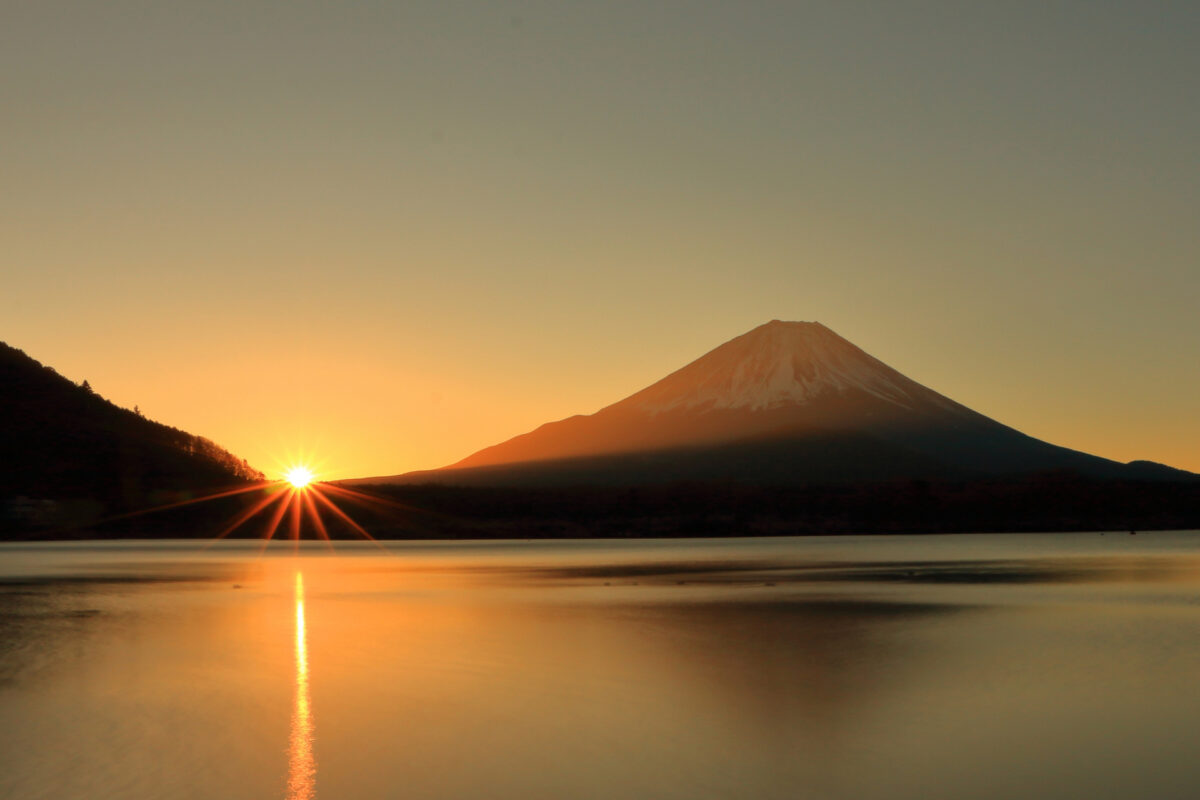
    How is everyone doing this month? It’s time for our monthly newsletter, and this time I’d like to discuss a place everyone knows: Mt. Fuji. What a great place to go to get away from all the Coronavirus bad tidings!

    Mt. Fuji (elevation 3776m, or around 12,400 ft.) was selected in 2013 to be a World Cultural Heritage Site because of its intrinsic value as an object of spiritual force and a source of artistic creation. Since then, Mt. Fuji has become so popular that mountaineers come from all over the world to climb it. However, the gentle behemoth is generally only climbable to the summit for abo