Insights

Experiences, History,
Culture, People, Various Insights

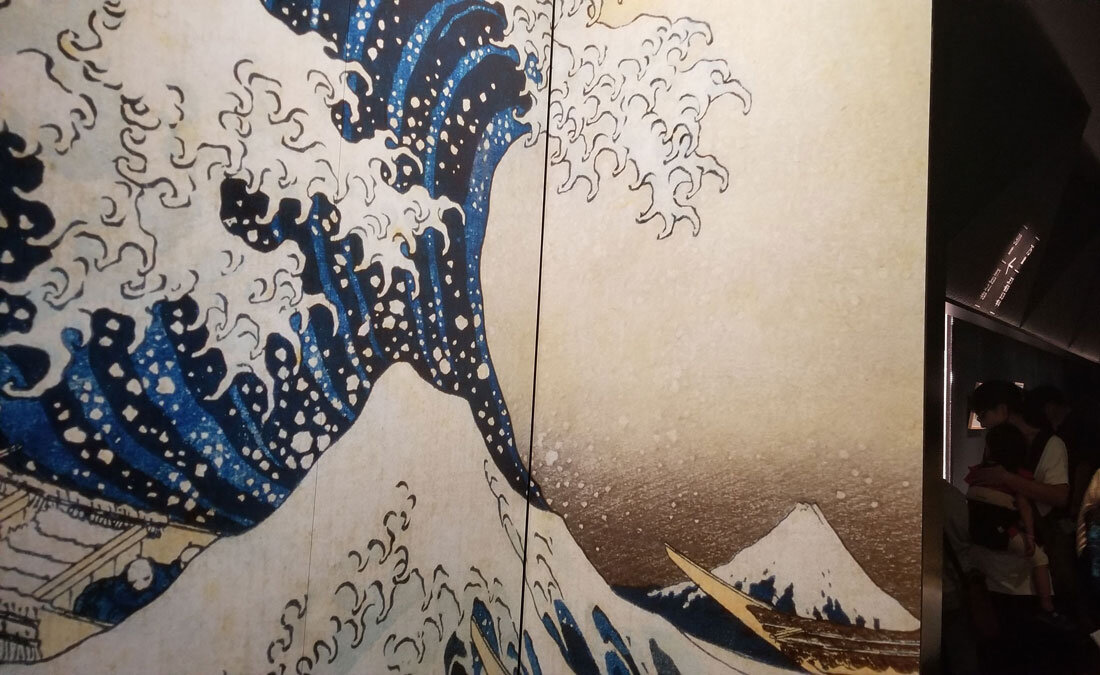
  • Experience Ukiyo-e In Tokyo At The Ota Memorial Museum Of Art

    Ukiyo-e is an artistic genre of woodblock prints and paintings that flourished in Japan from the 17th through 19th centuries. It was aimed at the prosperous merchant class during the urbanizing Edo period (1603-1867). Amongst the popular themes were depictions of beautiful women, kabuki actors and sumo wrestlers, scenes from history and folk tales, travel scenes and landscapes, flora and fauna, and erotica.

    The Ukiyo-e Ota Memorial Museum of Art is located in Harajuku. Harajuku is known as a center of Japanese youth culture and fashion, but the neighborhood also attracts many large internationa
  • Kiyosumi Teien, One of the Most Beautiful Japanese Gardens

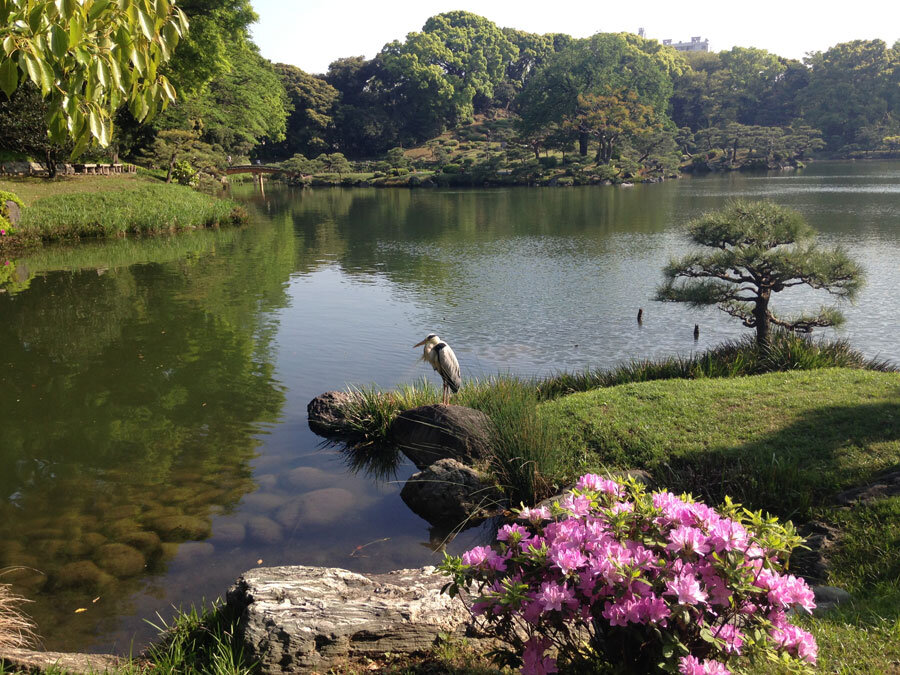
    The history, wildlife and exquisite stones all make Kiyosumi Teien a garden of timeless beauty.

    Formerly the grounds of feudal lord Kuze Yamatonokami’s mansion in the Edo period (1603-1868), Mitsubishi founder Yataro Iwasaki purchased this area and made the beautiful garden in the early Meiji period (1868-1912).

    Iwasaki made a special effort to bring in rocks with beautiful colors and textures from all over Japan to complete the stepping stone pathways known as Iso watari in the pond.

    These pathways are a feature of Kiyosumi gardens, as they allow visitors the unique experience of stepping across

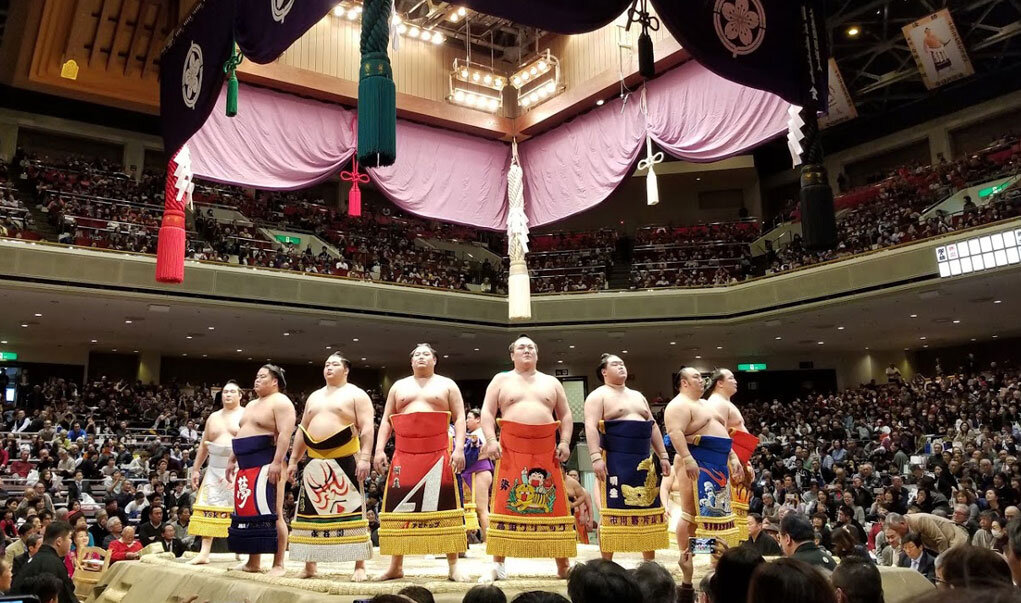
  • Sumo, Japan’s Thrilling National Sport

    Sumo is one of the oldest sports in the world, dating back to the middle of the Yayoi Era over 2,000 years ago!

    Today, it is easily classified as the national sport of Japan. Sumo is almost completely a spectator sport. The crowd is always animated and professional wrestlers often become internationally famous and popular.

    Sumo is one of the oldest sports in the world, dating back to the middle of the Yayoi Era, 2,000 years ago! Today, it is easily classified as the national sport of Japan. Sumo is almost completely a spectator sport, and the professional wrestlers become internationally famous

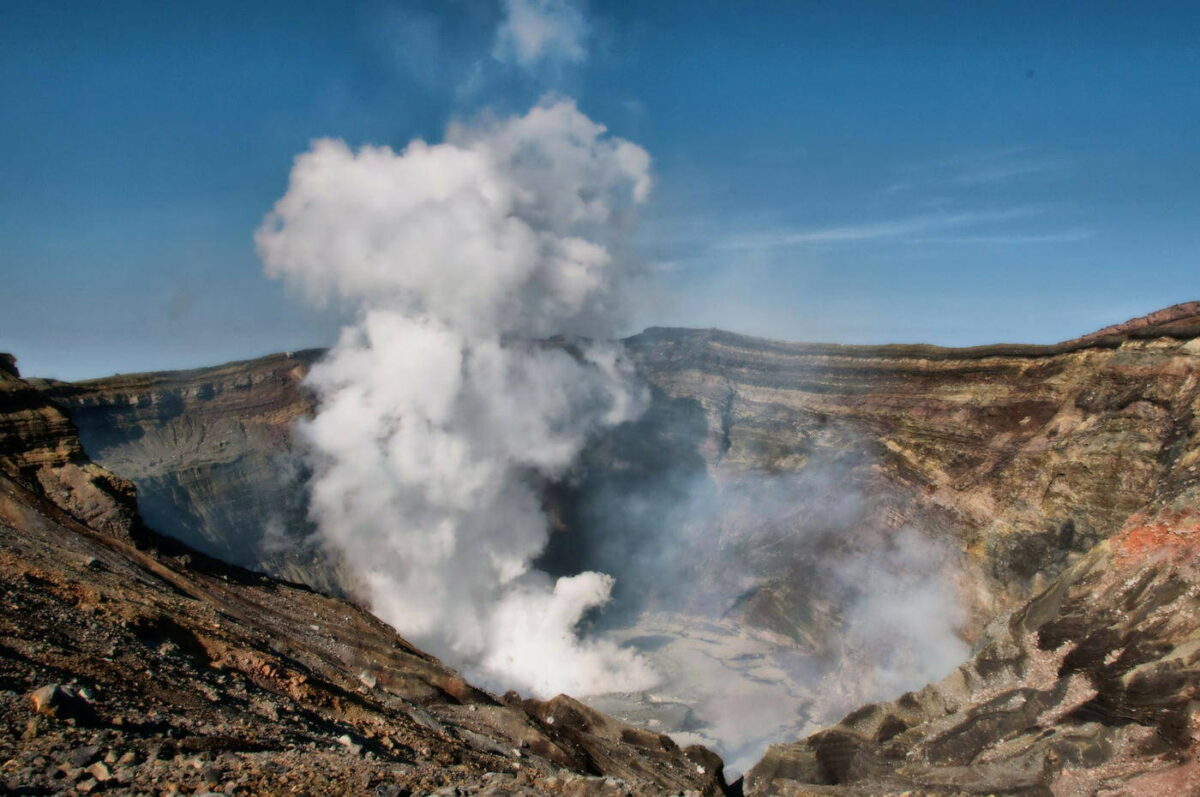
  • Mount Aso — Visiting Japan’s Largest Active Volcano

    Mount Aso is the largest active volcano in Japan, and is among the largest in the world. It stands in Aso Kuju National Park in Kumamoto Prefecture on the island of Kyushu. Aso has one of the largest calderas in the world.

    Many hot spring villages, including Tarutama, Jigoku, Aso, and Yunotani, are located in and around Aso Kuju National Park. The Aso Uchinomaki-onsen-kyo Hot Spring Village, with more than 100 hot springs, is the largest among them.

    The central cone group of Aso consists of five peaks: Mt. Neko, Mt. Taka, Mt. Naka-dake, Mt. Eboshi, and Mt. Kishima. The highest point is the summi

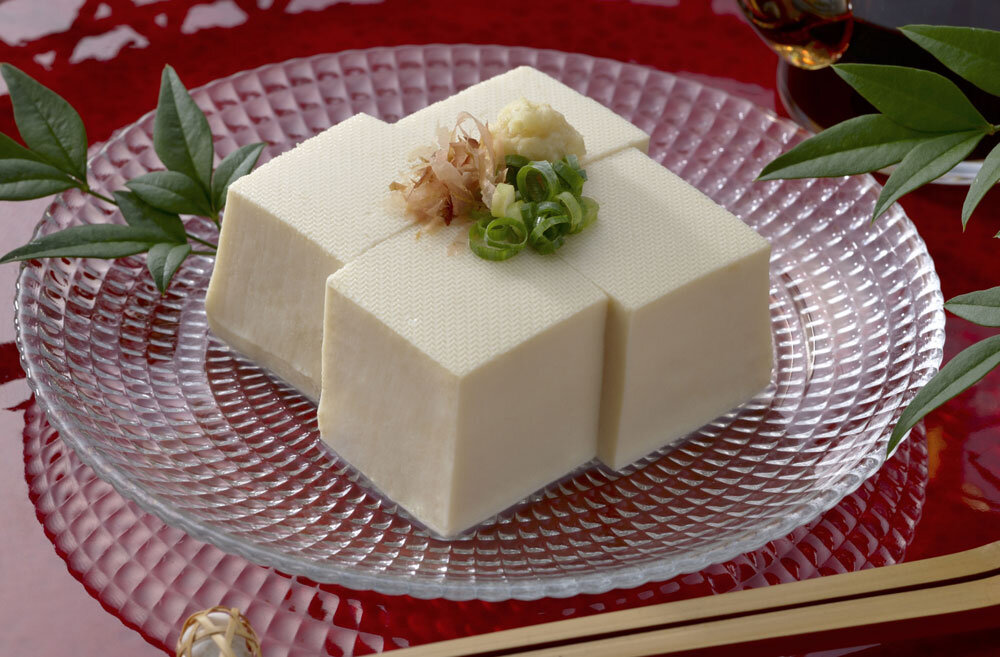
  • Tofu — From Easy Homemade Meal To Sacred Buddhist Dish

    Most Japanese families routinely stock one or two packages of tofu in their fridge. Tofu is such a convenient product because you can enjoy eating it without cooking.

    There are many different varieties of tofu, including fresh tofu and tofu that has been processed in some way. Delicious hiya-yakko (cold tofu) includes soy sauce and katsuobushi (dried bonito fish) or grated ginger. In the wintertime, tasty boiled tofu called yu-dofu (hot tofu) is eaten.

    Tofu originated during the Han dynasty in China about 2000 years ago. It was introduced into Japan during the Nara period (710-794) and spread in

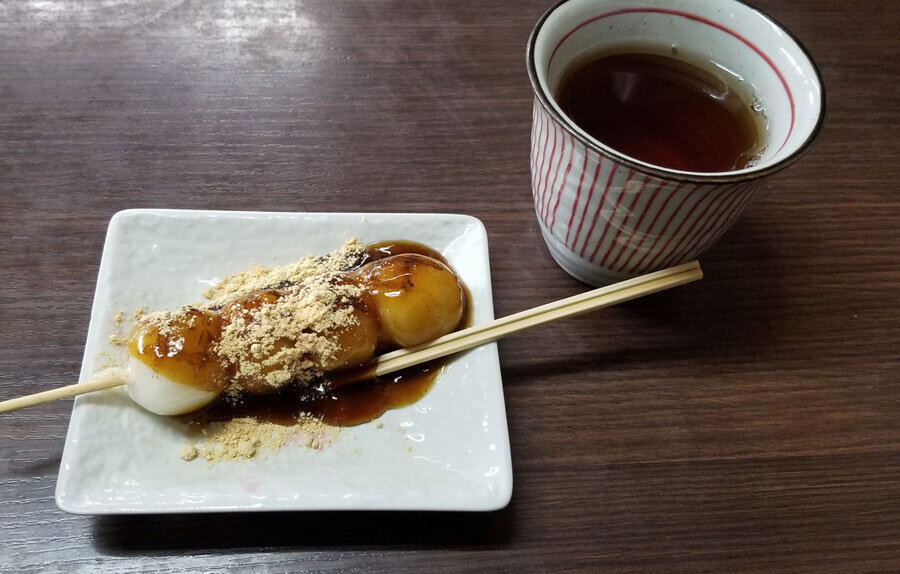
  • Dango, A Traditional Japanese Sweet You Have to Try

    Dango is a type of rice dumpling.

    The basic ingredient is mochi rice flour. There are many different varieties of dango which are usually named after the various seasonings served on or with the treat.

    In fact, it’s hard to really celebrate certains seasons in Japan without eating delicious dango. So, if you want to experience Japan like a local, you can learn all about this yummy sweet right here.

    Types of dango sweets

    The following dango are regularly eaten in Japan.

    “Anko” is commonly known as sweetened red bean paste, though other ingredients are used on rare occasions.

    “Chadango” is green-tea f

  • Miso Soup—a Recipe For Japan’s Everyday Soup Dish

    Today I will tell you all about Miso Soup so you can try making it at home.

    Miso soup is not only very easy to cook—it’s also healthy and tasty. Otherwise, we wouldn’t cook miso soup every day!

    That’s right, Miso Soup is an important breakfast staple in Japan! So, I’m going to explain all about Miso Soup to help you better understand why we start our day with this easy and refreshing meal.

    Firstly, there are many many kinds of Miso in Japan, especially depending on the area.

    There are three main types which are: Miso made with rice (kome-miso), wheat (mugi-miso), and soybeans (mame-miso).¥

    1. Kome

  • Get To Know Luxury Travel Japan

    Luxury Travel Japan is a travel agency which focuses only on Japan and promises an inspiring trip accompanied by a private travel concierge.

    At our company, an experienced and friendly travel concierge is responsible for your entire trip from start to finish. We design one-of-a-kind tours according to our guest’s needs, interests, and passions and provide detailed and comprehensive service.

    We present a variety of proposals to meet the guest’s various needs and provide the very best experiences. You can choose one of these pre-curated experiences, or customize your own dream vacation in Japan.

    We

  • How To Travel Around Japan

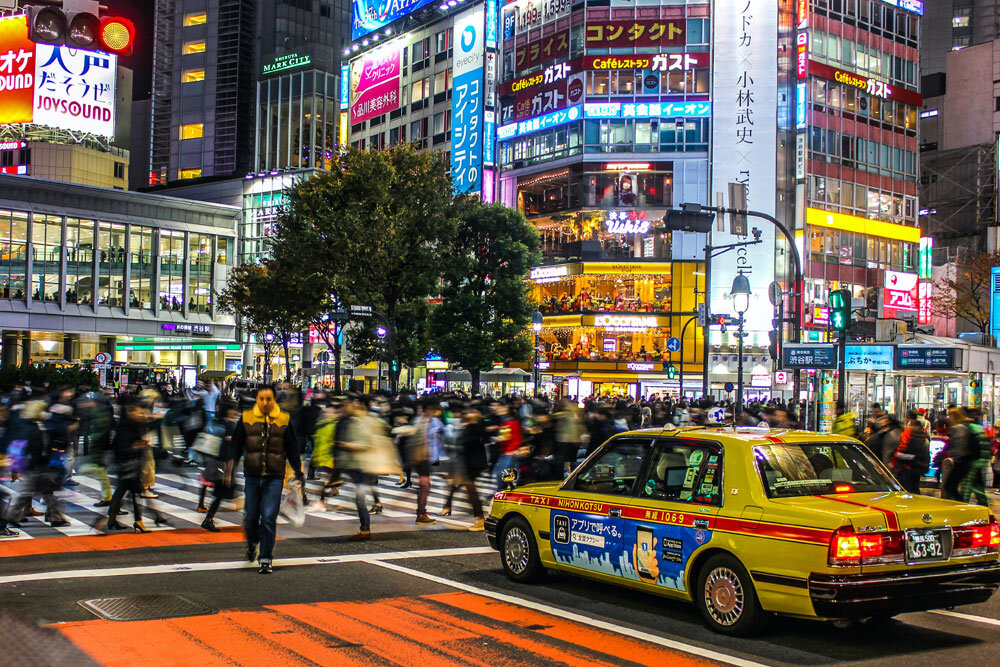
    Japan is an island nation in East Asia, a stratovolcanic archipelago of 6,852 islands. The four largest are Honshu, Hokkaido, Kyushu, and Shikoku, which make up 97% percent of Japan’s land area and house most of its people.

    Japan’s population of 126 million is the world’s tenth largest. The Greater Tokyo Area, which includes the de facto capital of Tokyo and several surrounding prefectures, is the world’s largest metropolitan area, with over 30 million residents.

    It may sound daunting, but with one of the most sophisticated transit systems in the world and high caliber safety measures, Japan is

  • Kinkaku-ji — Kyoto, Japan’s Golden Temple

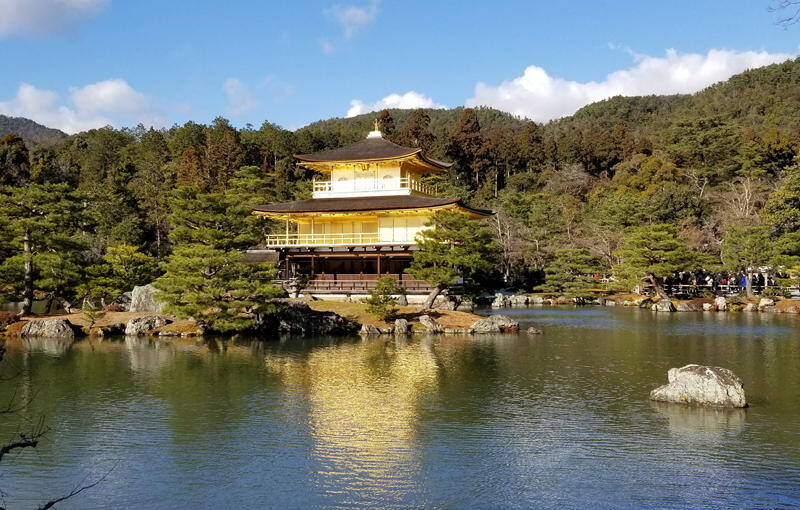
    Kyoto’s Kinkaku-ji, also known as the Golden Pavilion, is one the most recognizable attractions in Japan.

    The site of Kinkaku-ji was originally a villa called Kitayama-dai belonging to a powerful statesman, Saionji Kintsune.

    Kinkaku-ji’s history dates back to 1397, when the villa was purchased from the Saionji family by Shogun Ashikag Yoshimitsu and transformed into the Kinkaku-ji complex.

    When Yoshimitsu died, the building was converted into a Zen temple by his son, according to his wishes.

    The original Kinkakuji had to be rebuilt in 1950 after it was destroyed by arson—after surviving WWII intac

  • Gion, Kyoto — The Center Of Geisha Culture In Japan

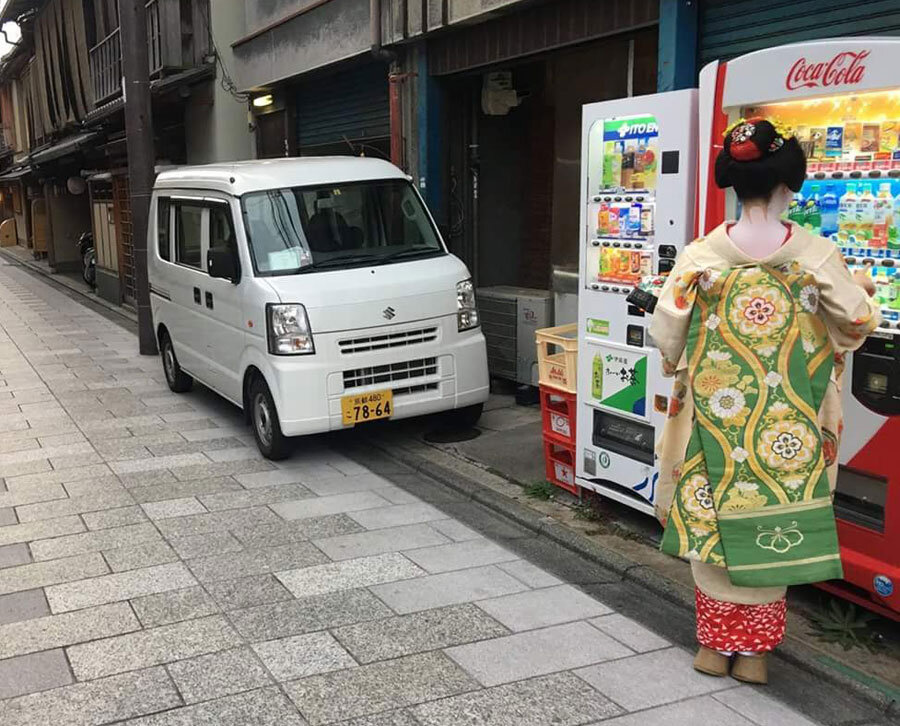
    Gion is a historic district of Kyoto, which originally developed in the Middle Ages in front of the sacred site of Yasaka Shrine.

    The district was built to accommodate the needs of travelers and visitors to the shrine. It eventually evolved and today Gion is one of the most exclusive and well-known geisha districts in all of Japan.

    Within Gion, there are currently five active Hanamachi, or “geisha districts,” in Kyoto (though in Kyoto these are generally referred to as “kagai” instead). Collectively these are sometimes referred to as gokagai (5 Hanamachi); there were previously six, but Shimabar

  • The Top Tourist Activities In Japan

    There is no shortage of activities to partake in and sights to see in Japan. Here, we highlight the top 5!

    Nowadays, you can try Japanese food almost everywhere in the world. However, in my experience, I think you will find Japanese food in Japan 10-100 times better than anywhere else. In fact, I’m certain you won’t get bored having Japanese food every day.

    This is because there are so many choices, some of which you know and many you may not. There are many kinds of sushi, ramen, udon, soba, tempura, yakitori, tonkatsu, nabe, shabu shabu, unagi (eel)…and more!

    I believe that the No.1 attraction