

Given the difficult times, I hope everyone is doing as well as can be. Japan was declared to be under emergency orders by the government on April 7th. Although this is not legally enforceable, all major department stores, and many restaurants and smaller stores are temporarily closed or have curtailed their working hours, which means a large part of the economy is on a voluntary hiatus. Large to medium-sized travel agencies in Japan have also decided to suspend business until early May, after Japan’s “Golden Week” annual holidays end. Around the world, everyone is uniting to focus on beating b
Insights
Experiences, History,
Culture, People, Various Insights
-
An Immersive Trip to Japan by way of Media
-
The Grand Sumo Championship with no spectators
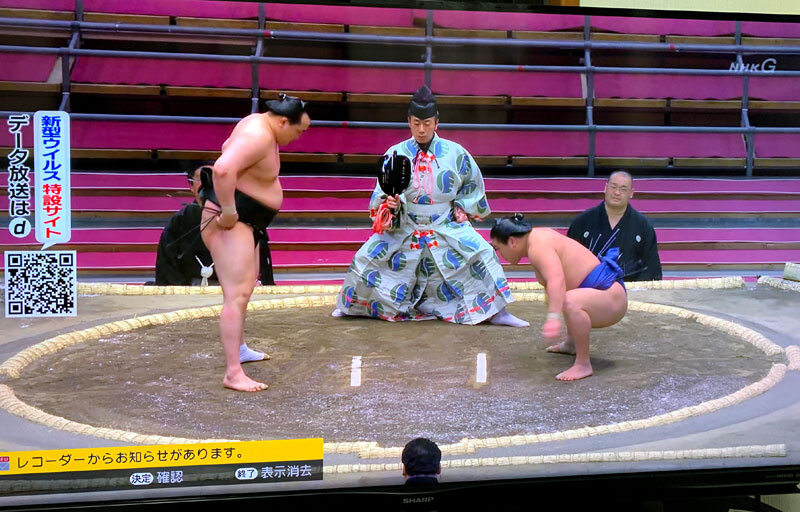
Welcome to our first newsletter in a month. How is everyone doing? I pray every morning to see positive coronavirus-related news, but there still seems to be more bad than good. This is clearly a formidable enemy, but we shall soon prevail.
On March 8th (Sunday), the early spring sumo wrestling competition started in Osaka, but due to the new coronavirus scare, there were no spectators allowed. The sumo wrestling will be broadcast every day for two weeks from 15:00 to 18:00 on NHK (Japan’s public TV broadcaster) and on the radio.
Sumo wrestling tournaments are held each year in January at Tokyo
-
Discover Bon Odori, Japan’s lively day of the dead festival dance
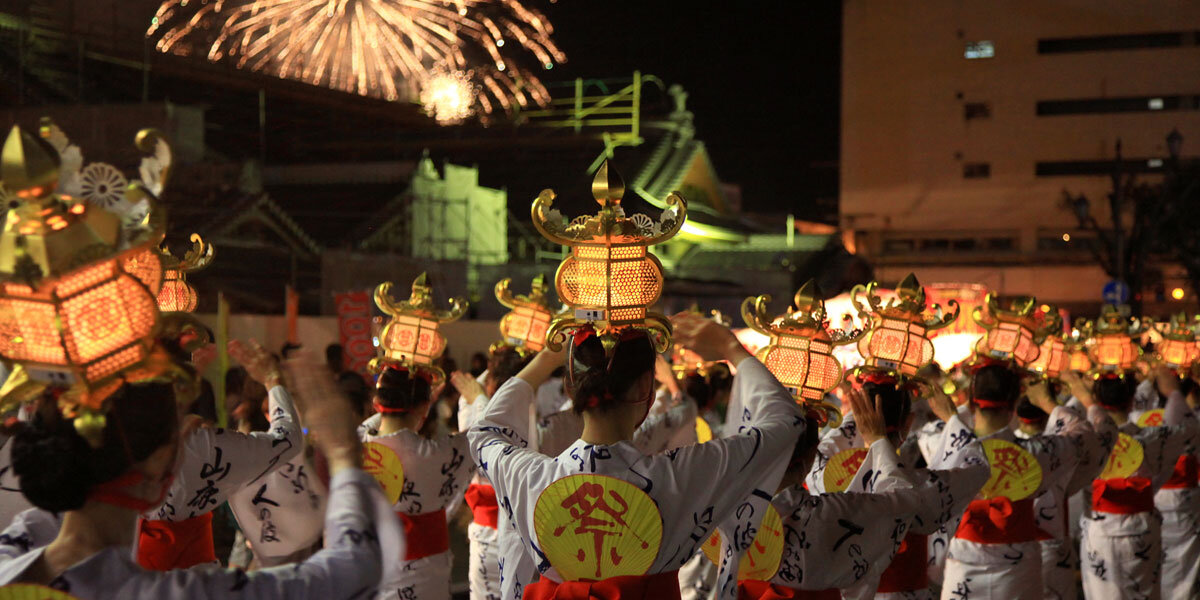
Many people around the world associate autumn with scary stories and graveyard visits, but Japan’s sweltering summer is the season for celebrations of the dead. Obon (お盆), also known as the Bon Festival or Festival of Souls, is a Buddhist holiday honoring the spirits of fallen ancestors. It is believed that each year during this time, the souls of one’s relatives return to the world of the living to visit their kin, who in turn pay respects to the dead.
Obon is deeply influential to the people and culture of Japan and is second only to New Year’s in importance when it comes to national holidays
-
Tokyo Wandering: The District of Hongo & Kingyo-Zaka Goldfish Shop
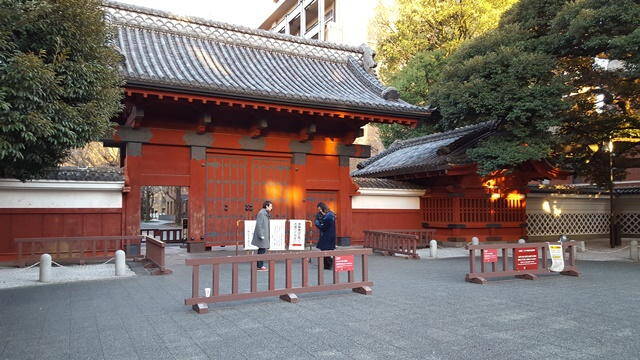
Shitamachi refers to the districts below Tokyo’s Imperial Palace, formerly the site of Edo Castle, where merchants and artisans have been living since the Edo Period (1603-1868).
One of these historic districts is Hongo, a relaxing escape from the hustle and bustle of metrpolitan Tokyo.
The best Chinese tea I’ve ever had. Lunch at Kingyo-zaka’s cafe in the district of Hongo.
Sightseeing in Hongo
Hongo is a district of Tokyo located in Bunkyo-ku (Bunkyo Ward), north of the Imperial Palace and west of Ueno.
Hongo was a ward of the former city of Tokyo until 1947, when it merged with another ward, Koi
-
Kyary Pamyu Pamyu, Japan’s pop culture princess
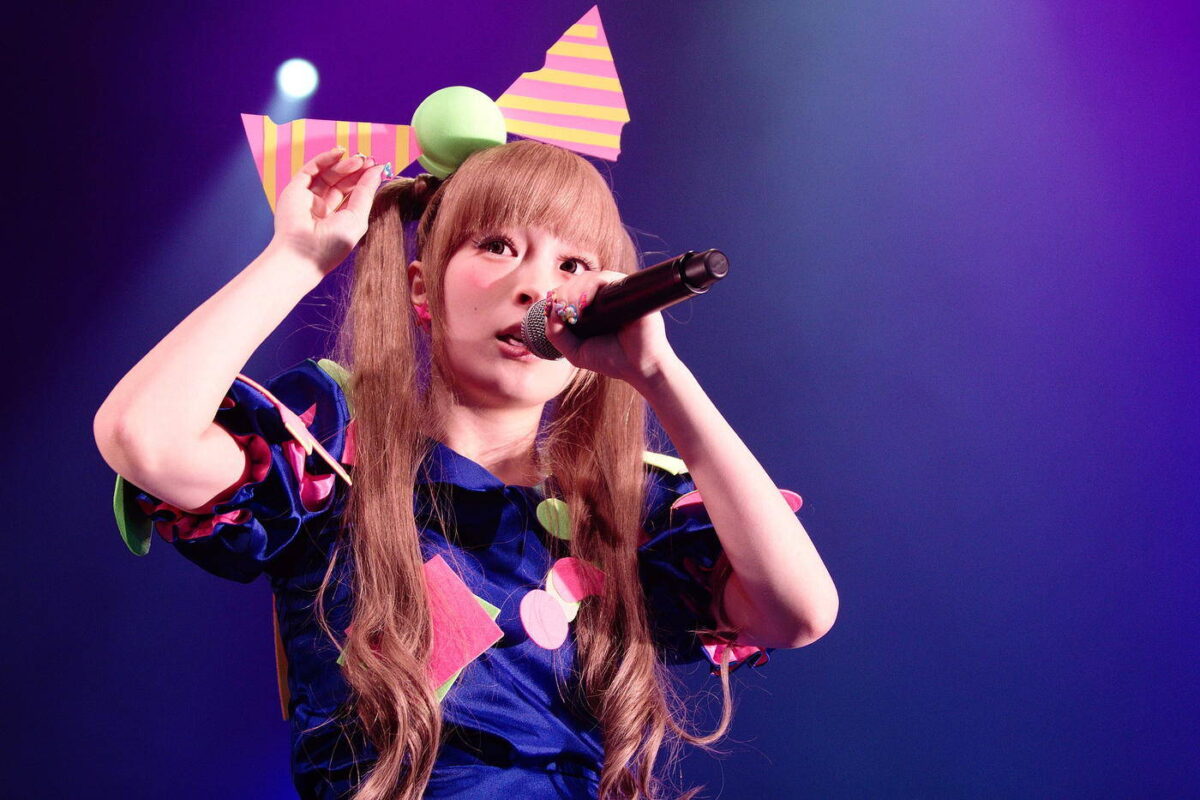
Kyary Pamyu Pamyu is the human embodiment of Harajuku, Tokyo’s cute and colorful fashion district.
The singer is well known for her 2011 single, “PonPonPon,” which made Japan’s top ten.
The 2012 singles “Candy Candy” and “Fashion Monster” followed the success.
She has since released three full-length albums, Pamyu Pamyu Revolution in 2012, Nanda Collection in 2013, and Pika Pika Fantajin in 2014.
Her catchy songs are upbeat and repetitive and her style outrageous and adorable (even when bordering on fantastical or creepy), so she has a way of resonating with people outside of Japan.
Check out her m
-
Play Japanese Music With Our “Koto” And “Shamisen” Experience
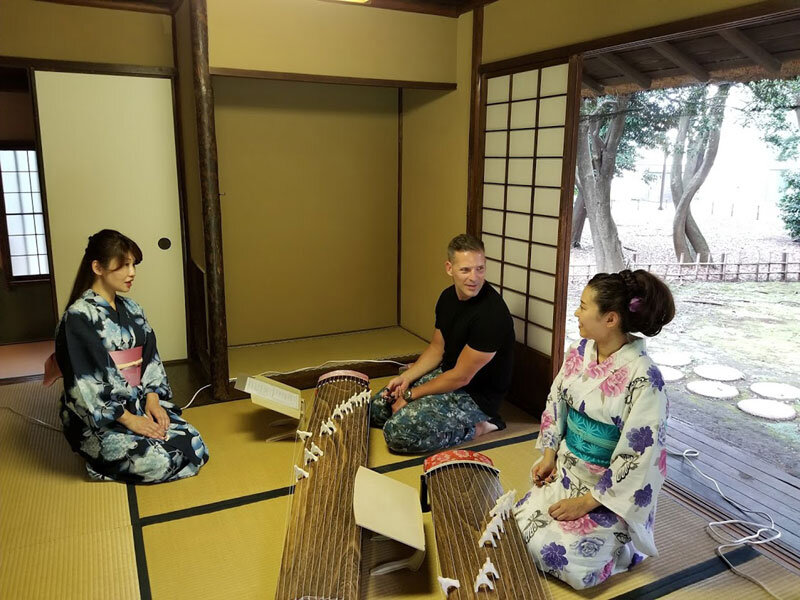
Hear Japanese traditional instruments “Koto” and “Shamisen” during a live ensemble.
During this specially curated experience, you will take a short lesson of how to play the Koto. By the end, you and the ensemble will play the famous “Sakura song” together! ♪
If you are interested in Japanese cultural experiences, feel free to contact us. We are always happy to customize tours on your behalf.
Please come to Japan not as if you coming merely for a tour, but as though you are coming to a place where you have a friend. We are waiting for you!
-
Geisha Experience: Tosenkyo
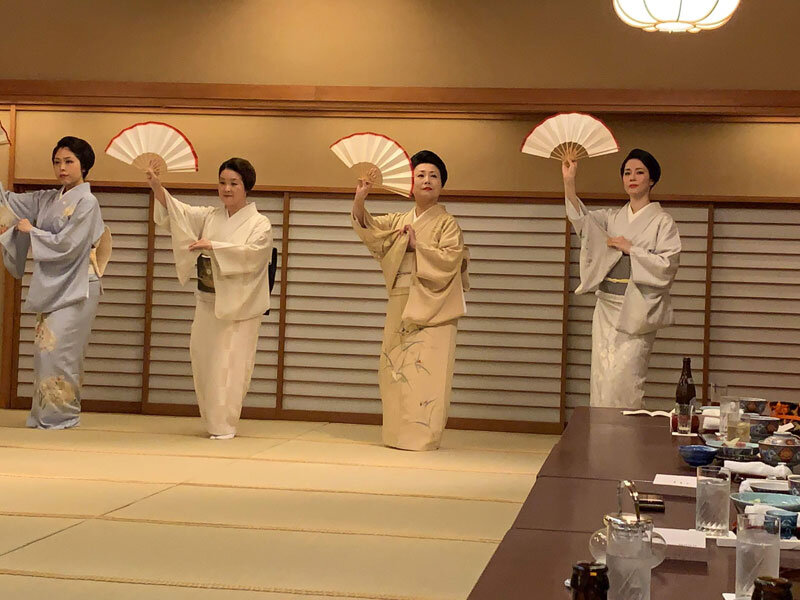
Ever wnated to meet a geisha? How about challenge one to a game that’s been played in Japan since the Edo period (1603-1868)?
Let’s play Tosenkyo!
Players throw a Japanese folding fan at a target called a butterfly positioned on a pedestal.
They compete for points based on the shape formed by the thrown fan, the butterfly, and the pedestal.
This point system is quite complicated, so let’s enjoy a simplified version where players throw the fan and try to knock the butterfly from the pedestal for a point. Each challenger can throw the fan three times in total, alternating each throw between the two
-
Geisha Experience: Tora Tora
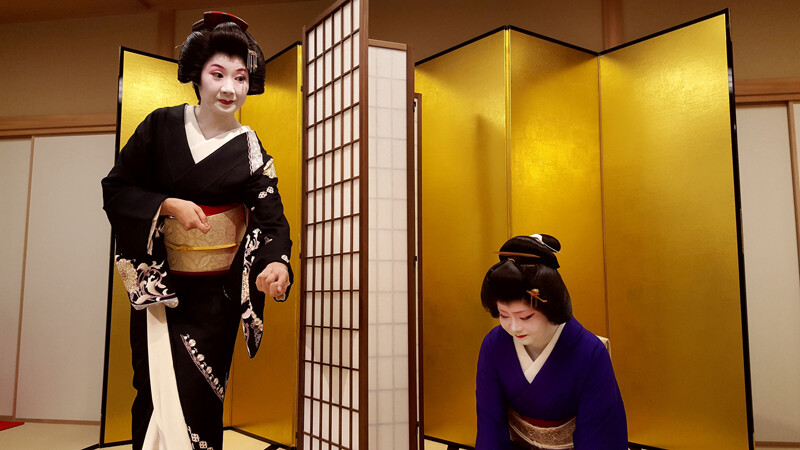
Tora Tora is a game similar to “rock-paper-scissors.”
Players dance to the song Tora Tora Tora, which means “Tiger Tiger Tiger.”
At the end of the song, players pose as one of three characters: the tiger, the samurai, or the old woman. The samurai beats the tiger, the tiger beats the old woman, and the old woman beats the samurai (because she is his mother).
The only thing better than playing this fun game is to do so with a real geisha!
If you are interested in Japanese cultural experiences like this, contact us today.
Please come to Japan not as if you coming merely for a tour, but as though you
-
Geisha Experience: Kompira Fune Fune
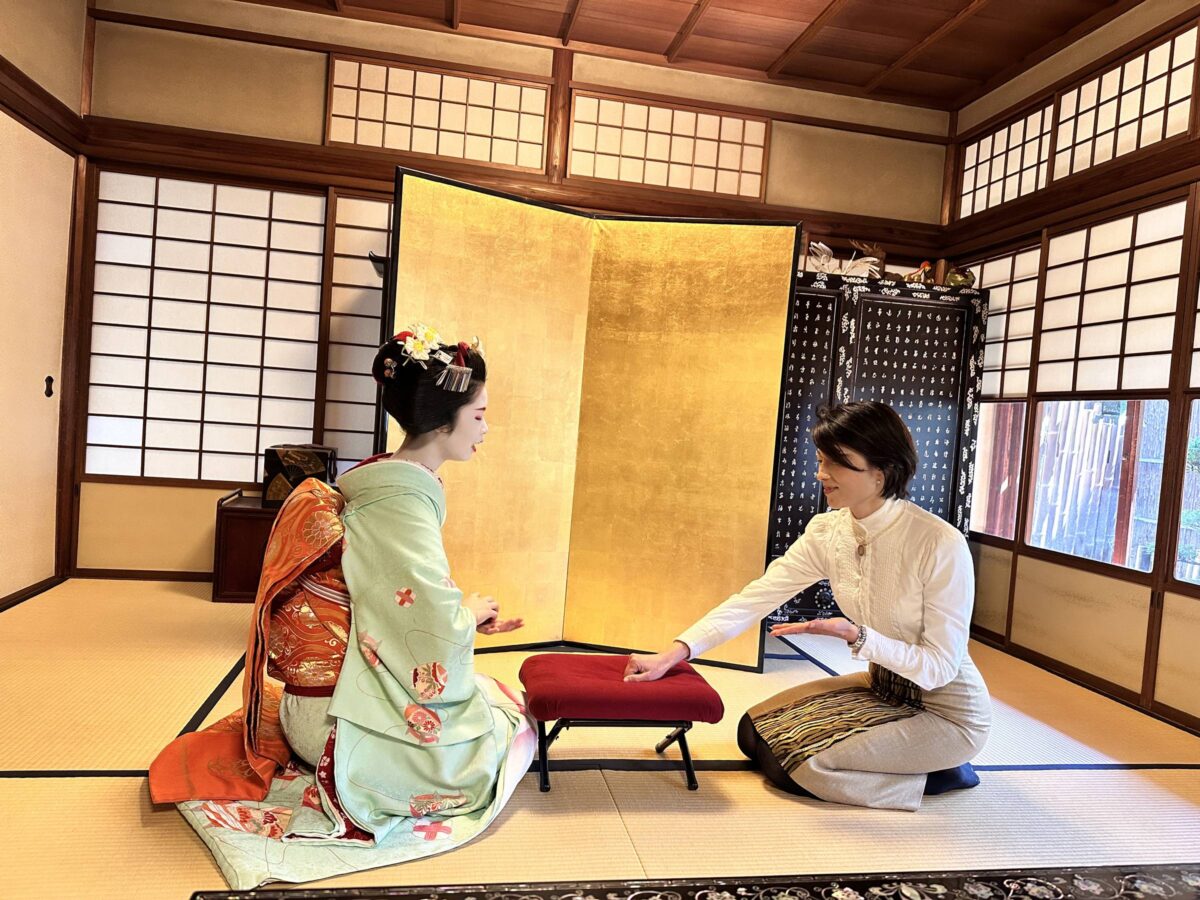
This is a game played along with a song of the same name.
Two players alternately tap the target on the table and their other hand to the rhythm of the song.
However, if your opponent picks up the target, you must touch the table with a closed fist, without breaking the rhythm.
You may also pick up the target to fool your opponent, up to three times in a row.
You lose the game if you fail to tap properly, with an open hand on the target or fist on the table.
Song ♫
Kompira Fune Fune
Oite ni hokakete
Shura shu shu shu
Mawareba Shikoku wa
Sanshu Nakanogori Zozusan
Kompira Daigongen
Ichido mawareba
At Luxury
-
Summer in Japan, the Nation’s Festival Season
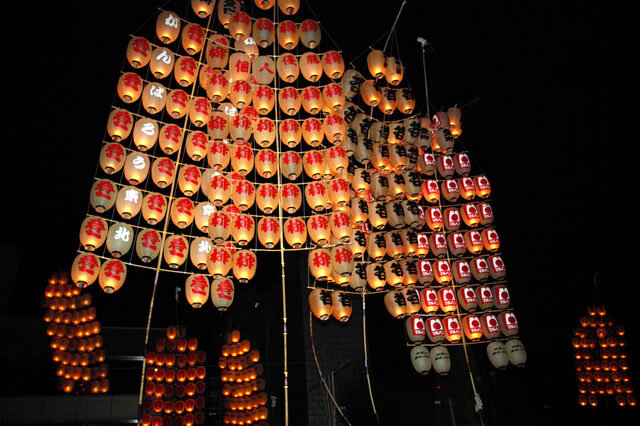
Summer is the best season for festivals all over Japan.
It’s the holiday season for most students and employees — even farmers have a short break before the harvest season begins because it’s too hot to work.
The fireworks at many of these festivals are magnificent. I often hear people exclaim with surprise at the great explosions and lights. We all should go out and see these wonderful exhibitions the cities are giving us!
In Japan, we have the Obon Celebration in August. This is one of the biggest and most important festivals throughout Japan.
During the Obon Festival, the dead relatives are sup
-
Edamame, A Popular And Healthy Japanese Snack
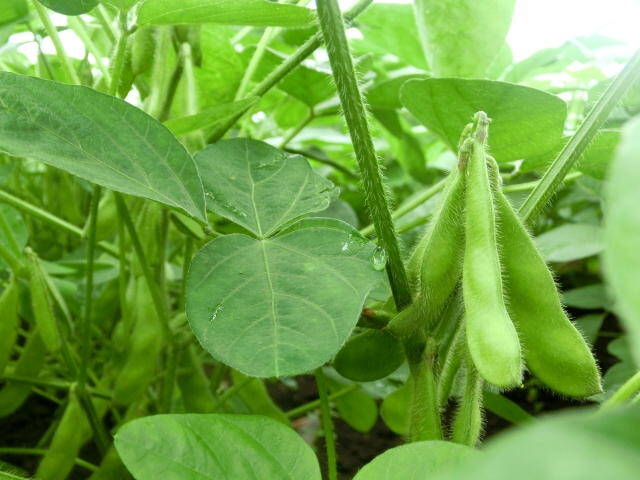
After the rainy season each June, a hot and humid summer comes to Japan.
Rooftop beer gardens open during the summer period in cities and on every table is a bowl of Edamame, the most popular food to pair with beer during the sweltering Japanese summer.
Edamame was first cultivated in China 4000 years ago.
Edamame always seemed so common to me that I never thought about the food’s benefits until edamame became very popular in Western countries.
Edamame is a wonderful food with lots of benefits, including vitamin B1 which promotes alcohol metabolism and choline which improves the function of the li
-
Yakitori, Japan’s Beloved Bar and Street Stall Staple
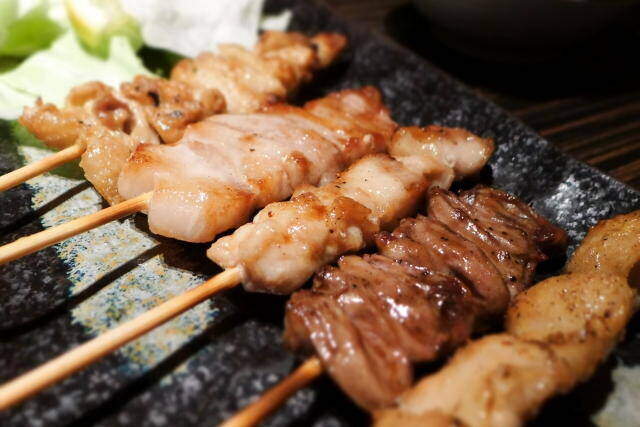
There is a butcher in the town where I live, whose owner grills chicken and makes yakitori in front of the shop every day. The cloud of aromatic smoke wafting off the grill is so good that I can’t resist buying some whenever I pass by. My favorites are “Negima” (chicken and leek), “Liver,” and “Hatsu (heart).”
It is said that the yakitori stall was born in the middle of the Meiji period (1898-1912) to curb a surplus of sparrows.
What’s certain is that throughout Japan in the 1950’s the price of chicken decreased, leading to the popularization of yakitori.
From that time, small yakitori shops open